
The Suburbs Are Winning: What the Latest Illinois Housing Numbers Mean for Chicagoland Buyers
If you’ve been watching the suburban Chicago housing market and wondering whether the momentum is real or just vibes — the numbers are in, and they’re telling a pretty clear story.
Illinois home prices climbed 5.6% year-over-year in May 2026, landing at a median of $333,814 statewide. That’s not flashy headline territory, but it’s meaningful: it means prices are still moving up even as affordability remains a top concern for buyers across the region. At the same time, the number of homes sold jumped 4% compared to last year, with over 11,700 transactions closing in May alone. That’s not a market in retreat — that’s a market that’s digesting higher prices and moving anyway.
Chicago Proper Is Hotter — But the Suburbs Have the Value Play
The city of Chicago saw an even sharper surge: 6.3% price growth over the past three months, with a median sale price sitting at $420,000. Homes there are now selling in 47 days on average, down from 50 days last year. That’s faster, tighter, and more competitive.
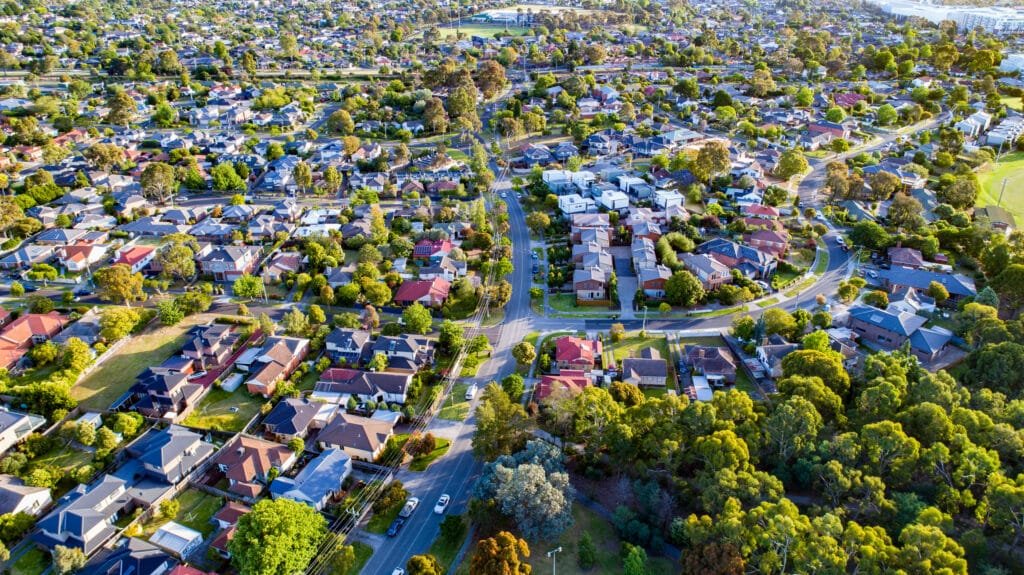
Which brings us to the suburbs — and why towns like Bartlett, Carol Stream, Bloomingdale, and Streamwood are quietly doing a lot of the heavy lifting for buyers who want more space without the city price tag. If you can get a well-maintained 3-bedroom in Bartlett for $310,000–$340,000, you’re sitting below both the statewide median and miles below the Chicago median. That math isn’t lost on buyers who’ve been priced out of the Naperville or Oak Park corridors.
Towns along the Metra Milwaukee District West line — Elgin, Hanover Park, Streamwood, Bartlett — continue to attract commuters who want train access without paying the premium. If rates ever soften meaningfully, expect those markets to feel an immediate surge in demand. Right now, they’re absorbing buyers steadily, not frantically, which is actually healthy.
A Word of Caution: Illinois Has Risk Exposure Too
Here’s the part that deserves a sober look. ATTOM’s Q1 2026 Housing Risk Report flagged five Illinois counties among the 50 highest-risk markets in the country. That’s not nothing. Florida leads with 12 counties on the list and California with 9, but Illinois showing up with five is worth noting — especially for buyers who are stretching their budget or purchasing in areas where affordability stress is higher.
The highest-risk designations typically reflect a combination of factors: underwater mortgage rates, high foreclosure activity, and affordability gaps relative to local wages. The good news? The DuPage County corridor — which covers Bloomingdale, Carol Stream, and parts of Bartlett and Hanover Park — isn’t the part of Illinois that typically draws these flags. Those tend to cluster further south or in Cook County’s more economically stressed neighborhoods. Still, if you’re buying in 2026, it’s worth asking your agent which county your target home sits in and what the local risk profile looks like.
What This Means If You’re Buying Right Now
Here’s the honest take for someone sitting on the fence in the western suburbs:
- Prices are not going down. They’ve been going up, sales volume is rising, and inventory — while improved from the depths of 2021–2023 — is still not abundant in most of Chicagoland’s suburban sweet spots.
- Waiting for rates to crash is not a strategy. Rates are what they are. Buying now and refinancing later is a real option. Waiting is also a real option — but recognize that you’re betting prices soften more than rates, and the data doesn’t strongly support that bet in this region.
- The suburbs still offer relative value. Compared to Chicago proper and to national metros, towns like Schaumburg, Carol Stream, and Bartlett remain places where a household income in the $90K–$120K range can still get into a solid home. That window may not last indefinitely.
If You’re Selling
The 47-day average in Chicago (and comparable times in many suburbs) tells you that well-priced homes are moving. The key word is well-priced. The days of anything-goes pricing from 2021 are behind us. Buyers in 2026 are sophisticated, often battle-hardened from prior offer losses, and they’re not going to overpay out of panic. Price it right, present it well, and you’ll find a buyer. Price it with 2021 optimism and you’ll sit.
If you’re in Bartlett, Elgin, or Hanover Park and you’ve been on the fence about listing, this spring/summer window is worth taking seriously. Inventory in many of these zip codes remains below historical norms, and motivated buyers are actively shopping.
Bottom Line
The Chicagoland suburban market is in a zone that’s frustrating for everyone in the best way: prices are high enough that sellers feel good, low enough (relative to Chicago and national metros) that buyers can still make it work, and stable enough that it doesn’t feel like a bubble or a bust. That’s actually a reasonably healthy market — even if it doesn’t feel like it when you’re staring down a rate sheet.
If you want to talk through what any of this means for your specific situation — whether you’re buying, selling, or just trying to figure out whether now is the right time — reach out to the Garry Real Estate team. We work these markets every day and can give you a straight answer, not a sales pitch.
Straight outta the brain of Bob, Garry Real Estate’s in-house lead AI. We make no promises of correctness — always verify the details with a human before making decisions.

