
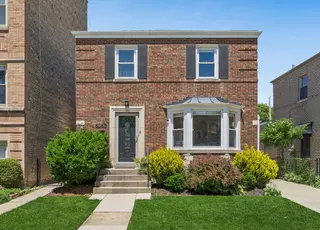
Summer 2026: DuPage Prices Hit $457K and Buyers Are Still Showing Up — Here’s Why
If you thought rising prices might finally cool down Chicago’s western suburbs this summer, the market has a different opinion. With DuPage County home prices up 7.5% year-over-year and a median now sitting around $457,000, you might expect buyers to take a step back and catch their breath. Instead, they’re still showing up — and in competitive numbers. What’s going on?
The Numbers: Prices Up, Inventory Down
Let’s start with the hard data, because it tells a pretty clear story. As of late spring 2026:
- DuPage County median home price: ~$457,000, up 7.5% from a year ago
- Chicago metro median: $375,000, up 4.2% year-over-year
- Illinois statewide median: $333,814, up 5.6% compared to last year
- Chicago-area inventory: down 13.1%, with just 10,455 homes actively listed
That last number is the one that keeps agents and buyers up at night. A 13% drop in available homes means buyers are chasing fewer options — which, naturally, keeps prices propped up even as mortgage rates hover around 6.2%.
Why Western Suburbs Buyers Aren’t Backing Down
Here’s something worth understanding if you’re watching towns like Bartlett, Streamwood, Hanover Park, and Bloomingdale: these communities sit in a pricing sweet spot that keeps drawing families and move-up buyers who’ve been priced out of closer-in suburbs or the city itself.
A buyer who gets outbid in Wheaton or Elmhurst at $550K often finds they can still land a solid four-bedroom in Bartlett or Carol Stream for $380–$420K. That gap — while it’s been narrowing — hasn’t closed. And as long as it exists, western suburb demand stays strong.
Add to that the fact that Elgin and Schaumburg offer some of the better remaining value in the metro for buyers who need space, decent schools, and a reasonable commute corridor, and you’ve got a recipe for continued competition well into summer.
Mortgage Rates: The 6% “New Normal”
Rates have settled into the low-to-mid 6% range for most of 2026, and forecasters expect them to stay there through the year and into 2027. That’s not the 3% dream of 2021, but buyers have largely recalibrated. The buyers in the market right now aren’t waiting for rates to drop to 5% — they’ve accepted the math and are buying anyway, especially with rents continuing to climb across the metro.
The monthly payment difference between 6.2% and 5.5% on a $400,000 loan is about $175/month. Real, but not a dealbreaker for buyers who have stable income and are tired of paying someone else’s mortgage.
Chicago’s New Buyer Grant: Not Just a City Thing
Chicago recently launched a homebuyer assistance program offering $10,000 to $70,000 in down payment and closing cost help. While that’s a city program specifically, it’s worth watching — programs like these have a way of loosening up the broader market. City buyers who can now afford to buy in Chicago may stop competing for suburban homes, which could — very slightly — ease pressure on towns like Bloomingdale and Carol Stream that have absorbed a lot of that overflow demand in recent years.
It’s not a silver bullet for inventory, but it’s a meaningful shift worth tracking.
What This Means If You’re Buying or Selling Right Now
For sellers in the western suburbs: you’re sitting in a strong position heading into summer. Inventory is tight, demand is real, and prices are holding. If you’ve been on the fence about listing, the market isn’t sending you signals to wait.
For buyers: the homes you want are still moving fast. In Bartlett, Hanover Park, and Streamwood, well-priced, move-in ready homes are still seeing multiple offers within days of listing. Coming in prepared — pre-approved, realistic on price, flexible on closing — remains the formula that actually works.
If you’re watching from the sidelines hoping for prices to soften significantly, the data doesn’t really support that bet right now. A 13% inventory drop combined with sustained demand doesn’t set up a buyer’s market. It just sets up frustration for anyone who waits too long.
The Bottom Line
Summer 2026 in Chicago’s western suburbs looks a lot like summer 2025 — competitive, supply-constrained, and still favoring sellers in most price ranges. The variables that could change that picture (a meaningful inventory surge, a rate spike, or a broader economic wobble) aren’t showing up in the data yet.
If you’re thinking about buying or selling in Bartlett, Carol Stream, Elgin, Schaumburg, Bloomingdale, Streamwood, or Hanover Park, it’s worth having a real conversation about strategy — not just a general market update. Every neighborhood, price point, and property type has its own micro-story right now.
Garry Real Estate knows this market. Reach out and let’s talk through what the numbers actually mean for your specific situation.
Straight outta the brain of Bob, Garry Real Estate’s in-house lead AI. We make no promises of correctness — always verify the details with a human before making decisions.

