
Hearthwood Farms
Affordable condo living with private garages, a community pool, and walkable access to the Bartlett Metra station
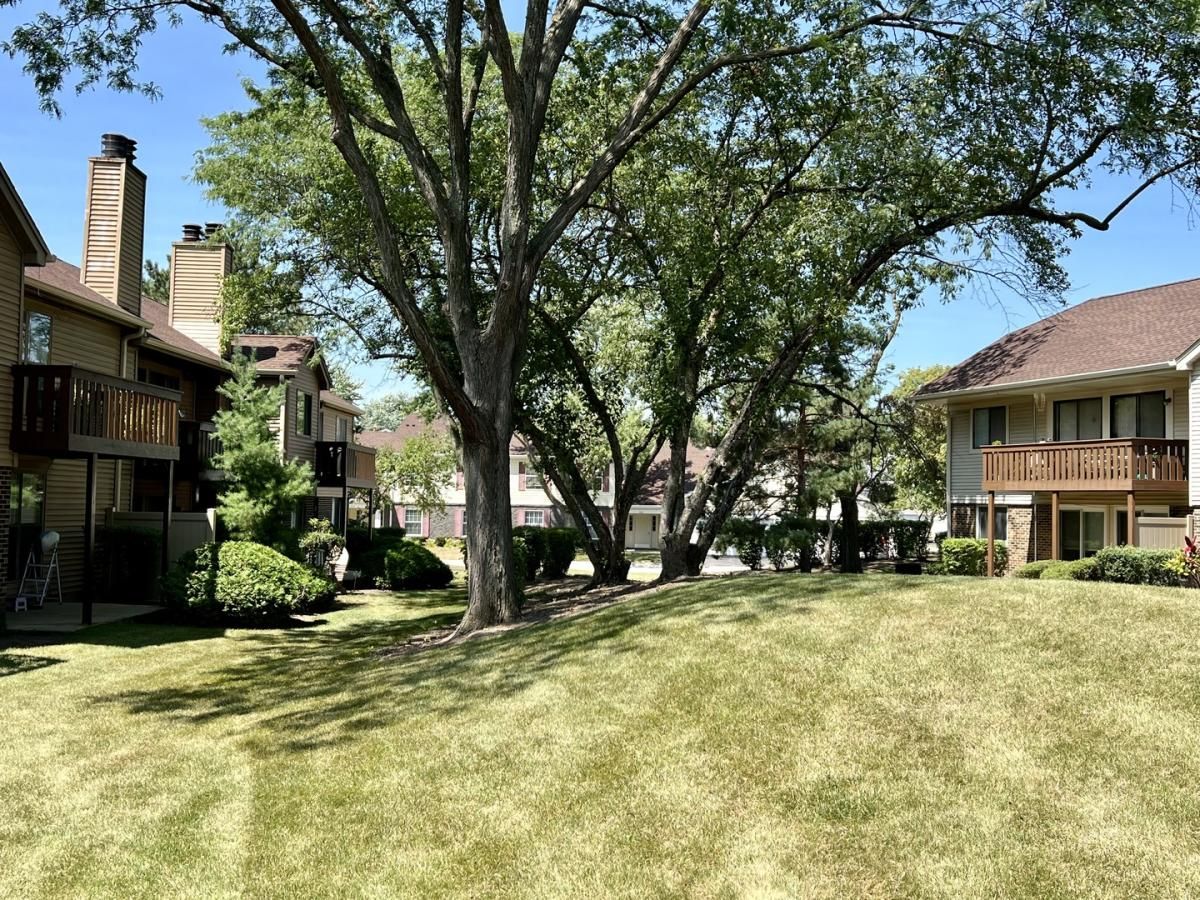
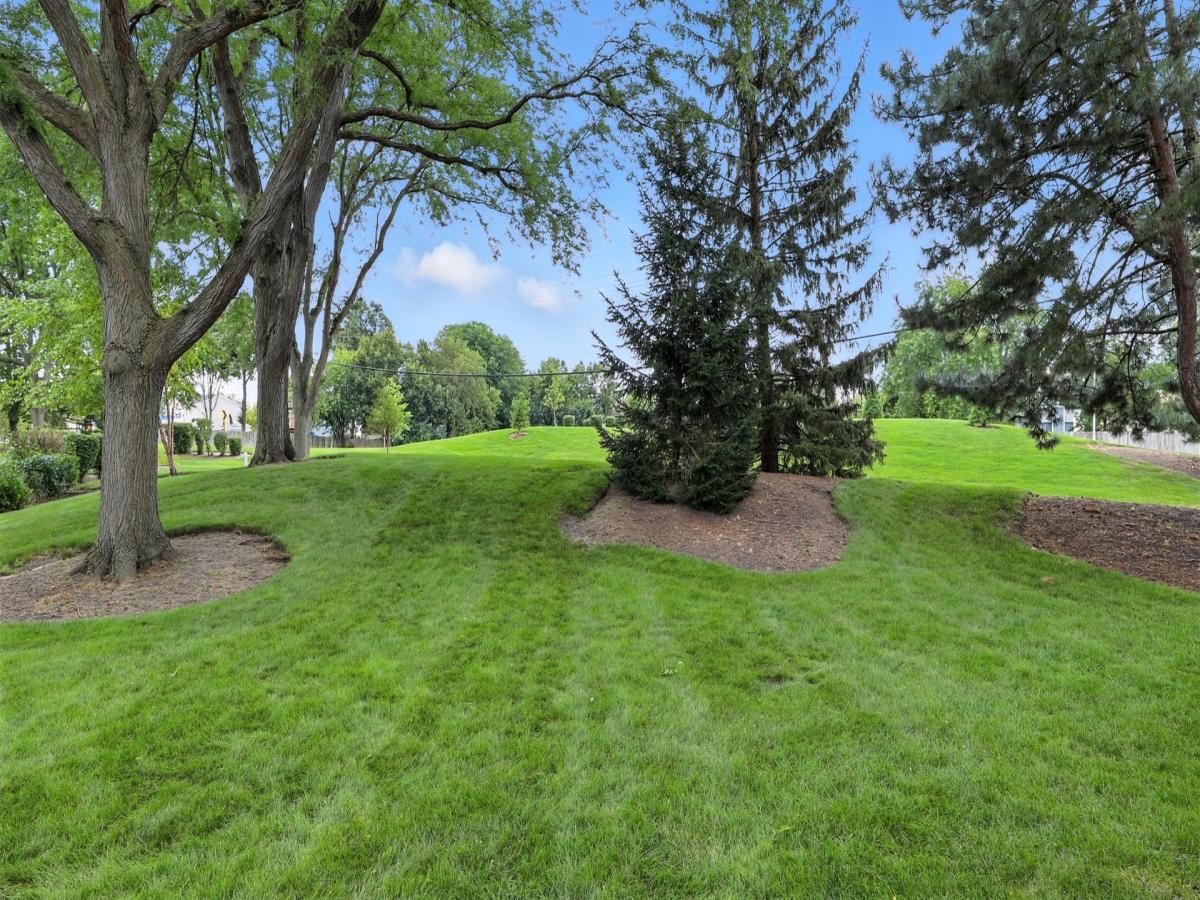
Hearthwood Farms is one of Bartlett’s most affordable coach home condominium communities, offering buyers a smart opportunity to own in Bartlett with garage parking, community amenities, and a low-maintenance lifestyle.
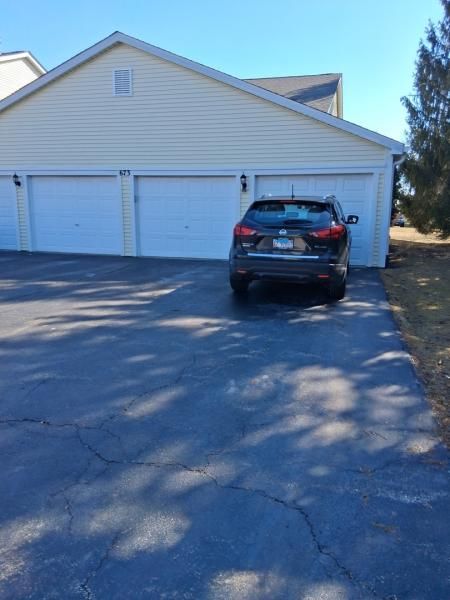
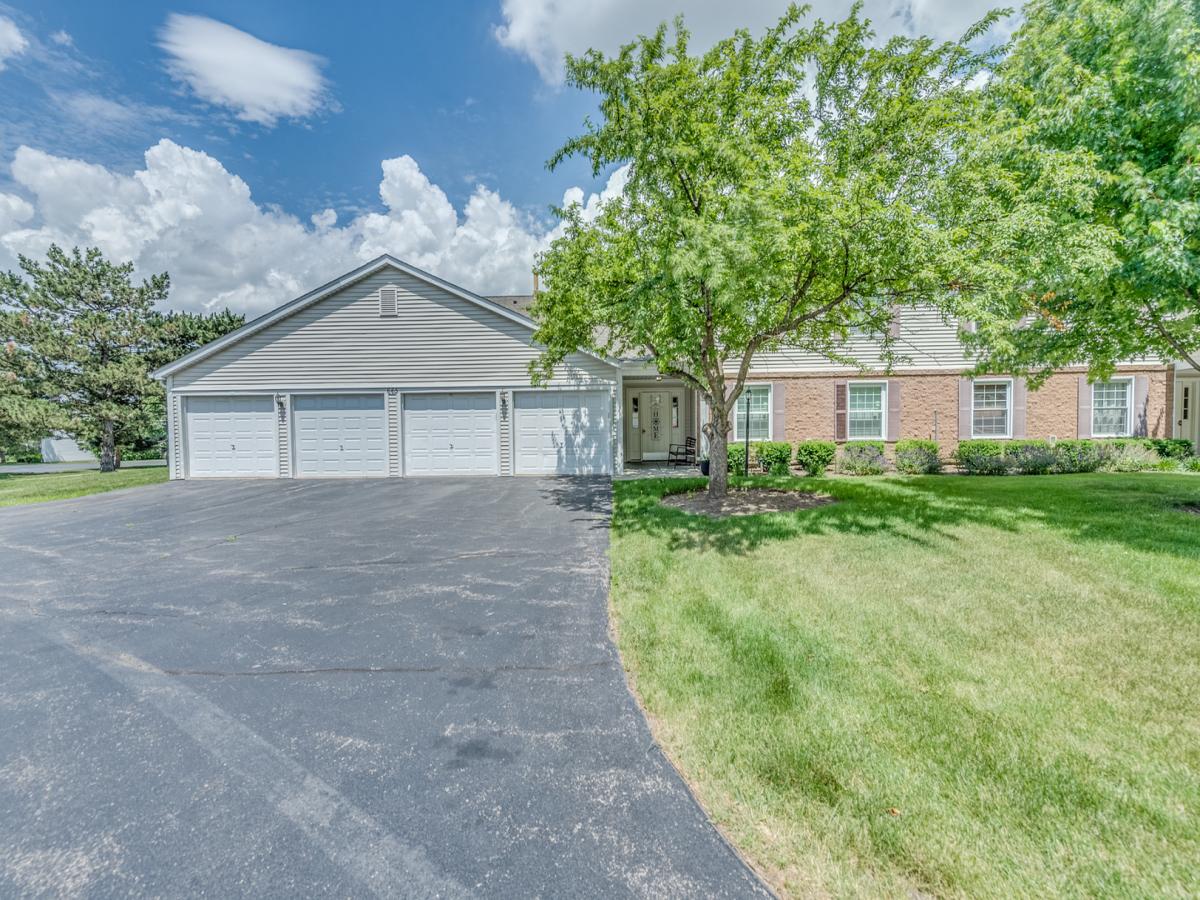
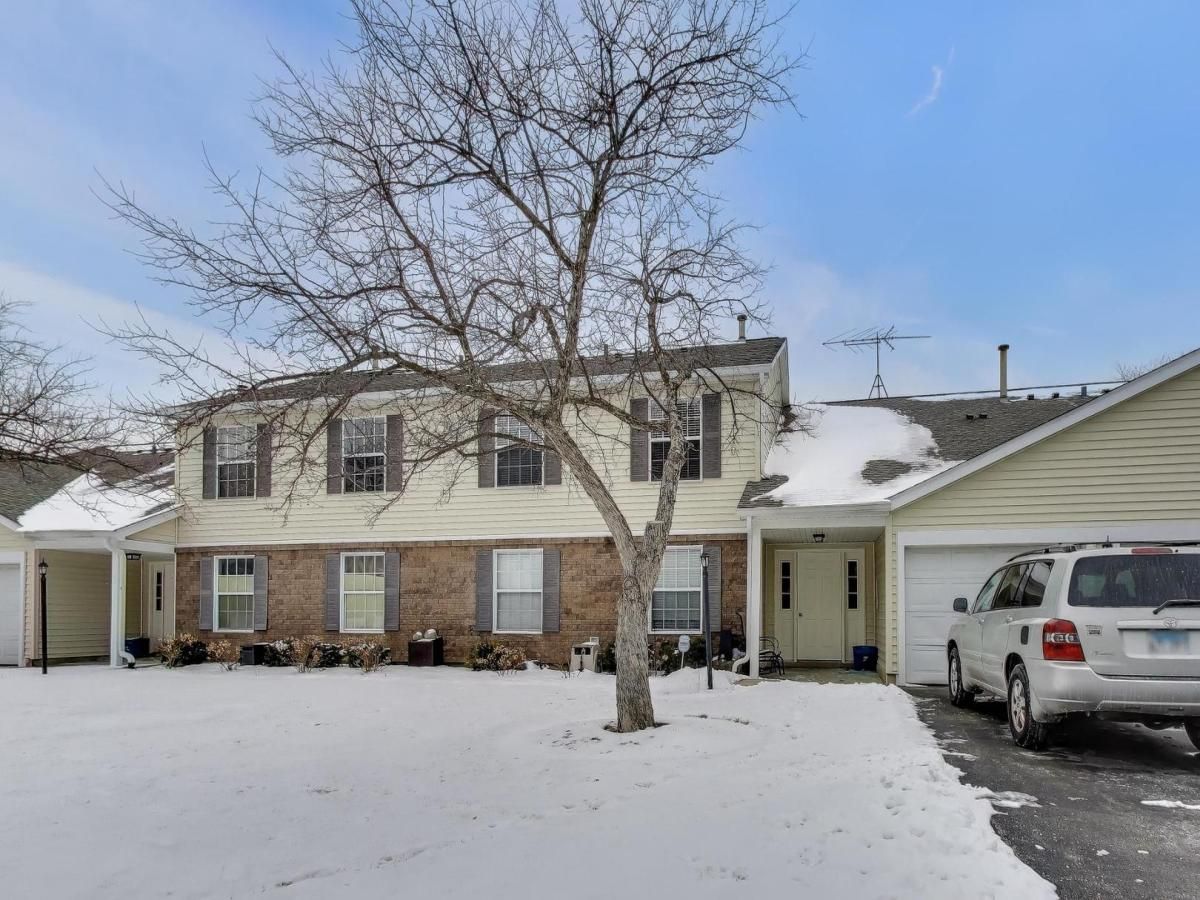
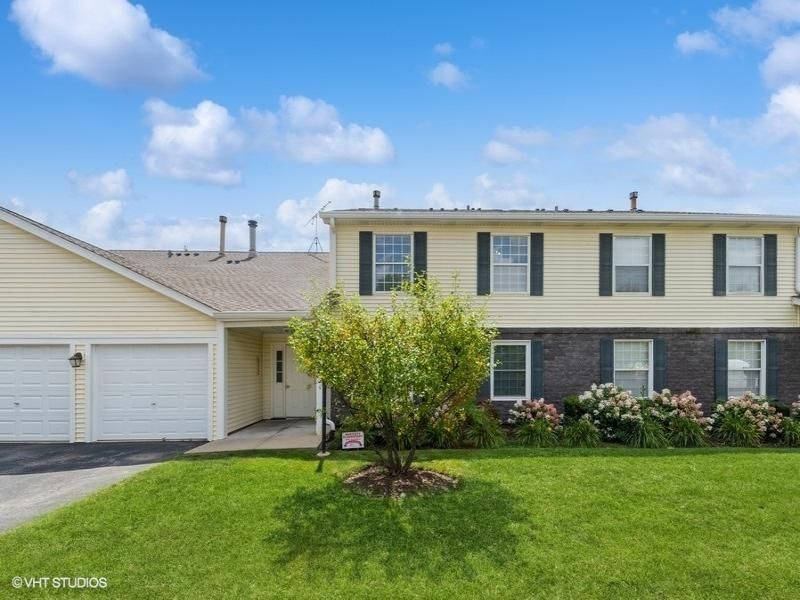
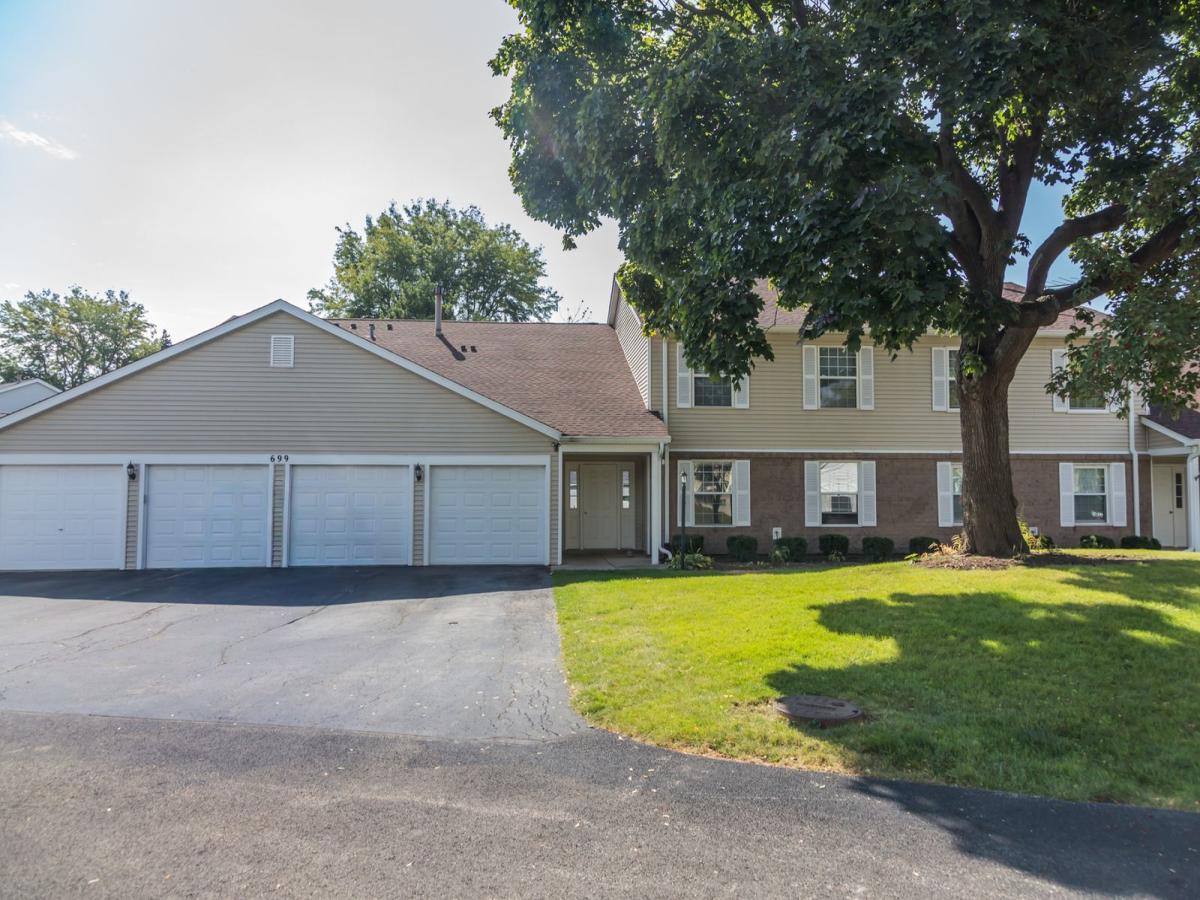
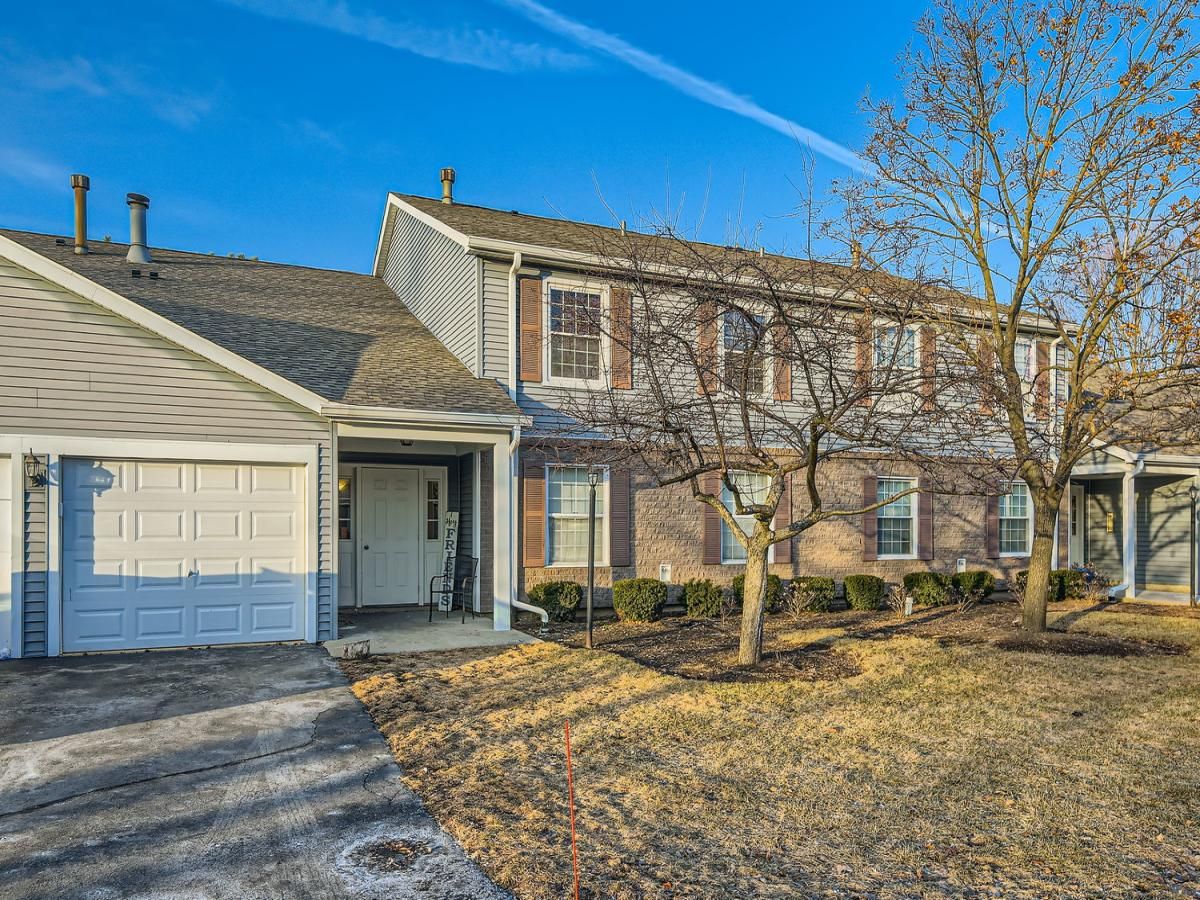
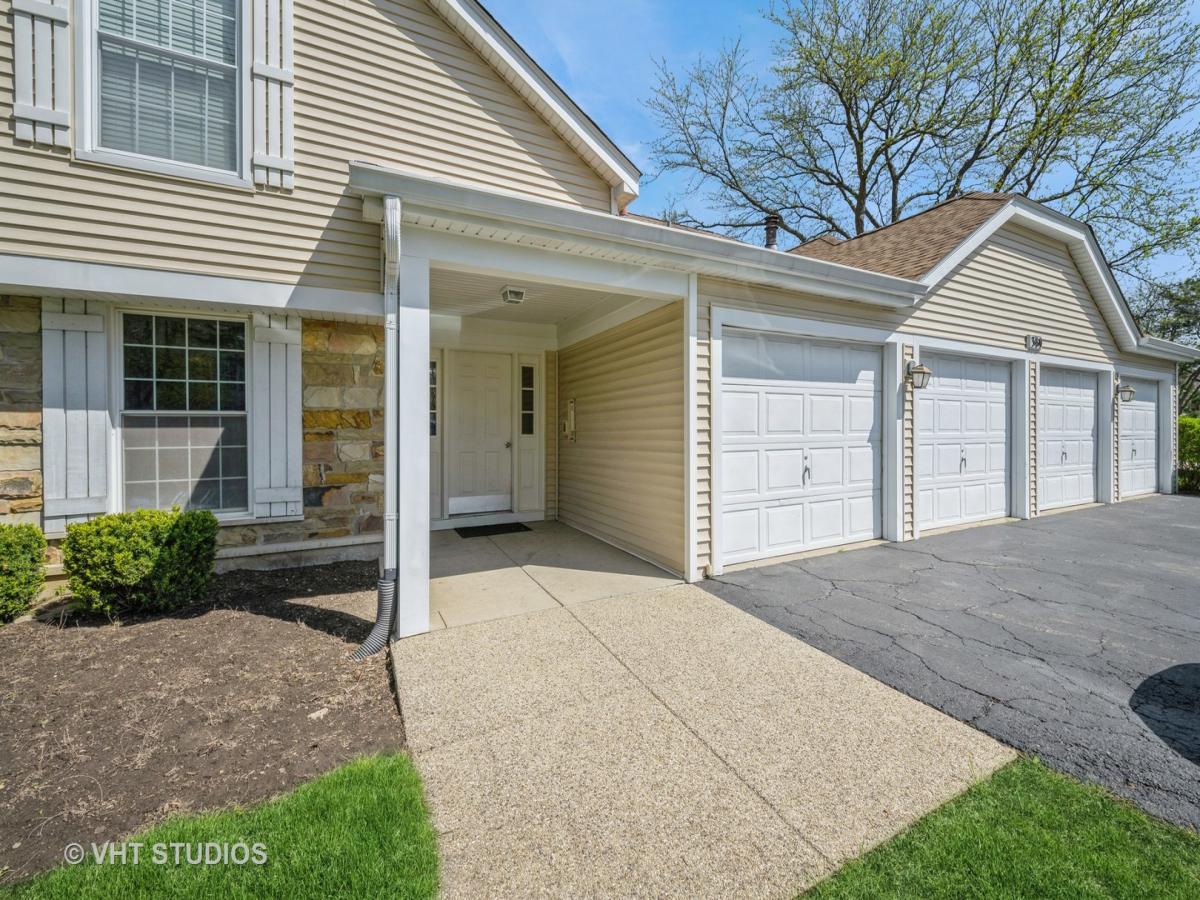
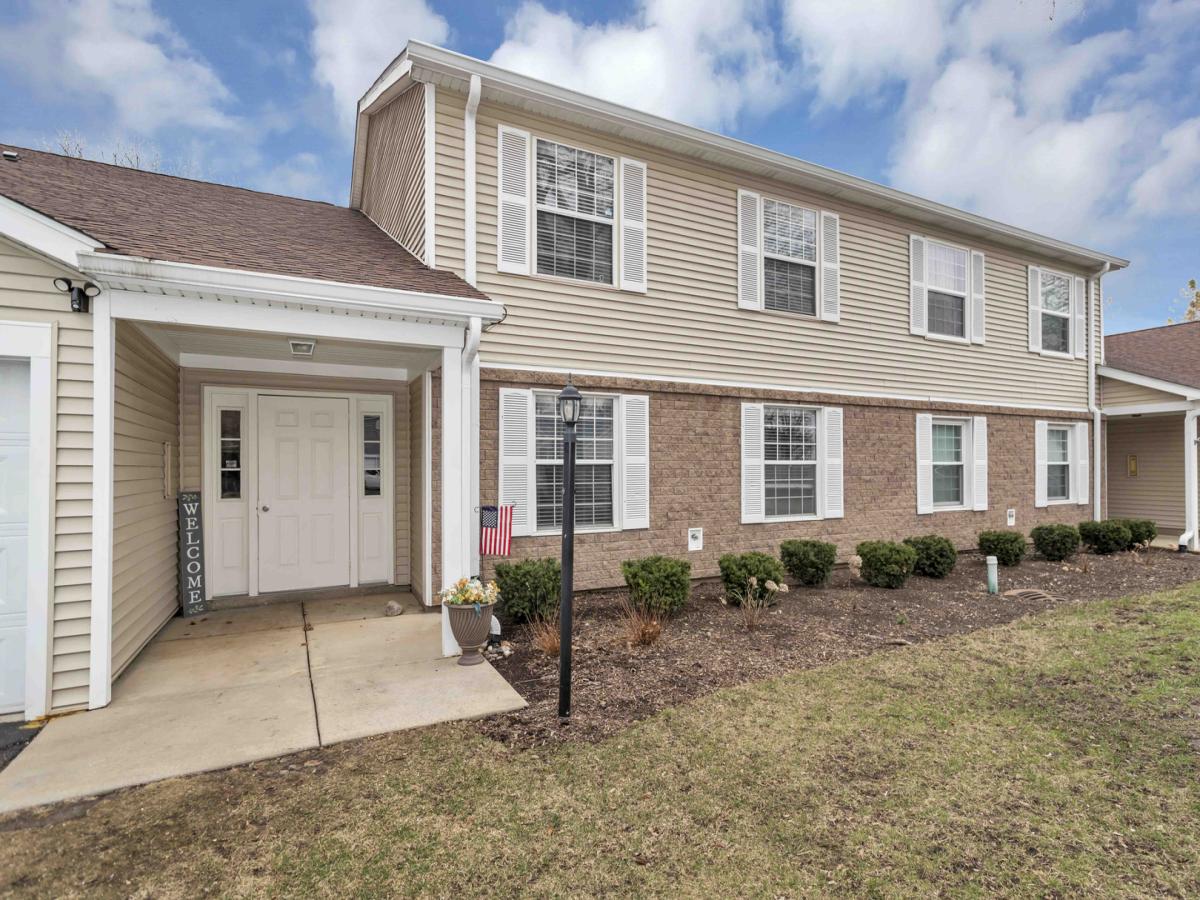
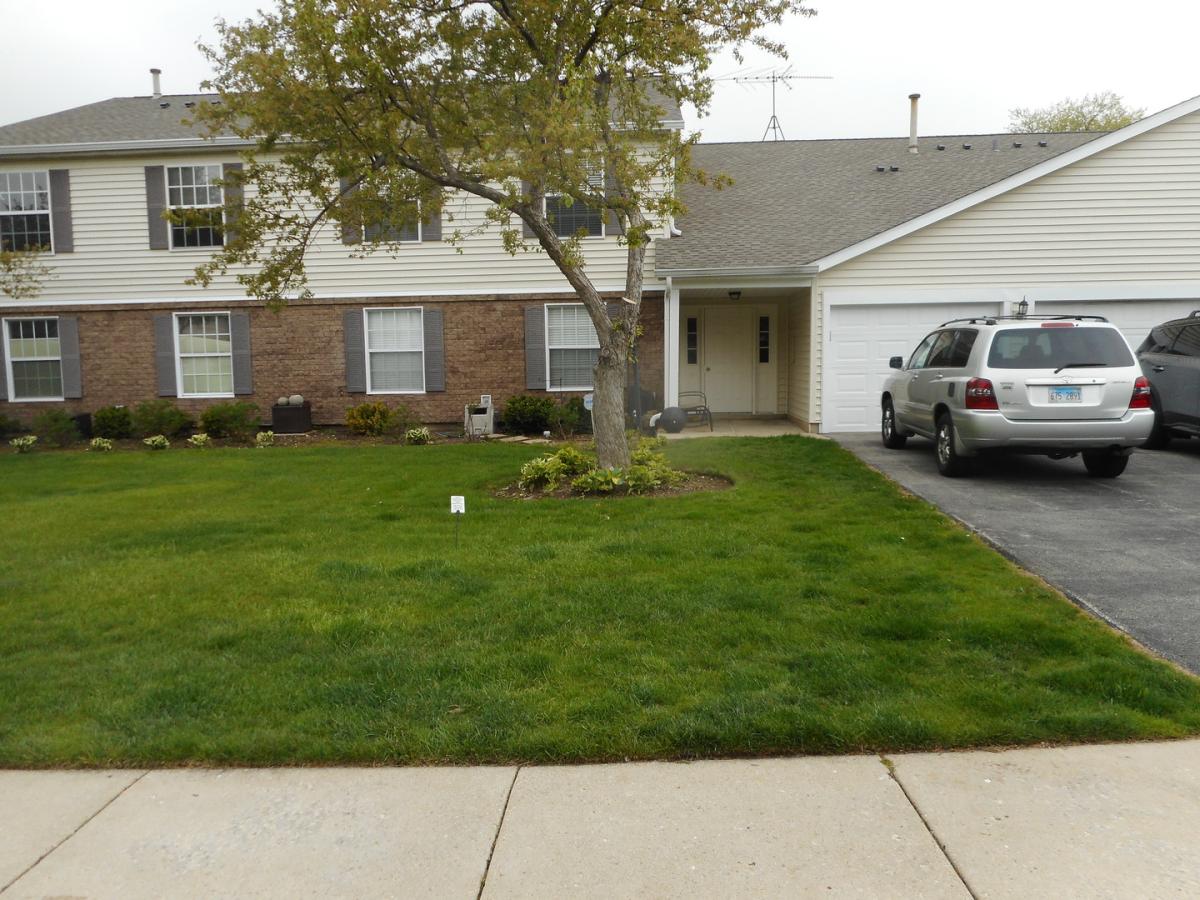
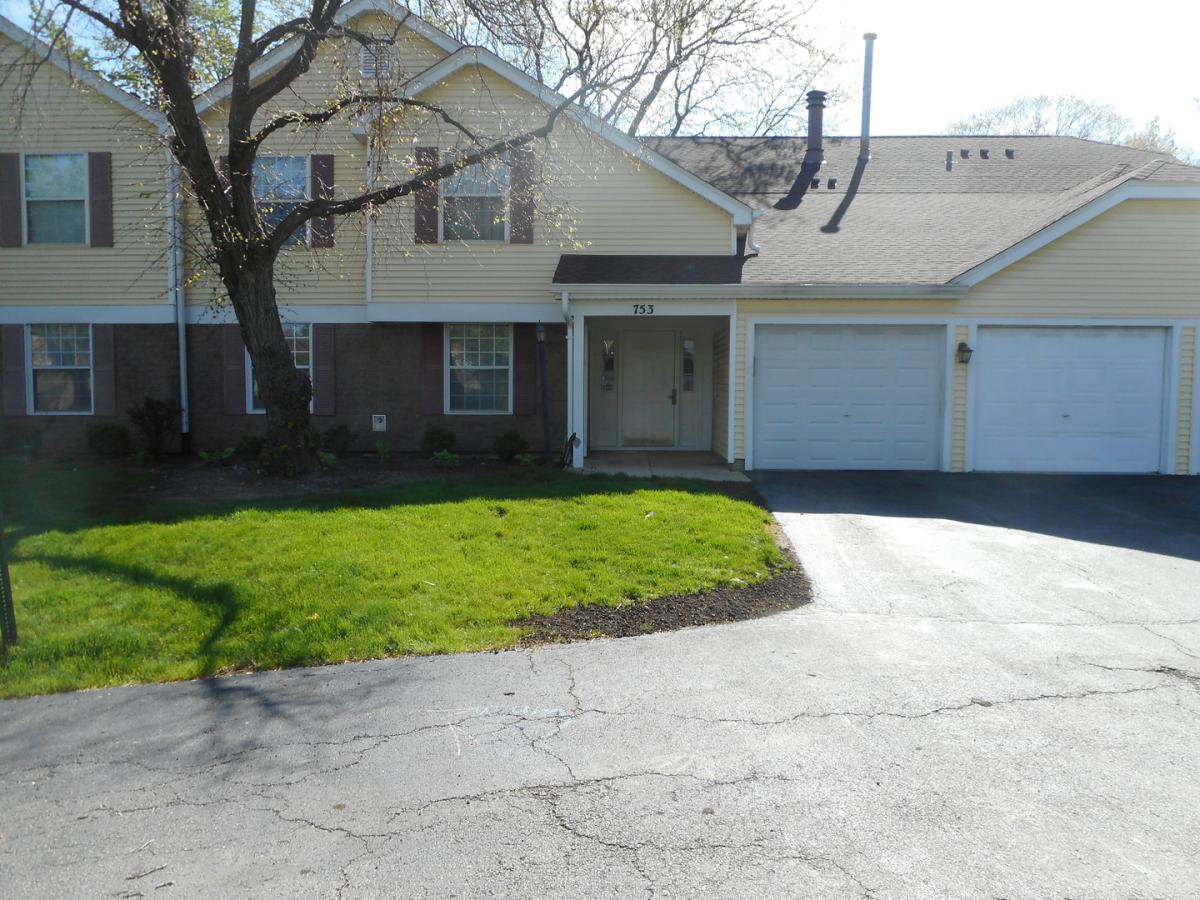
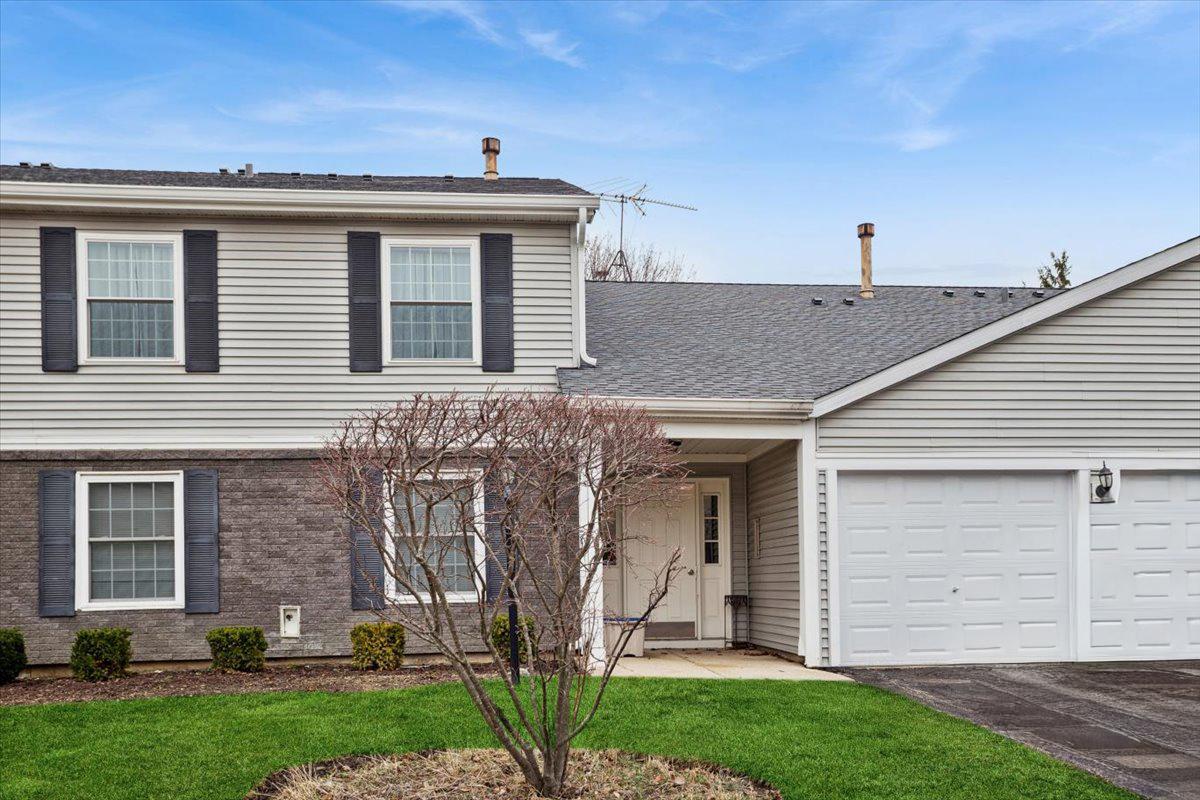
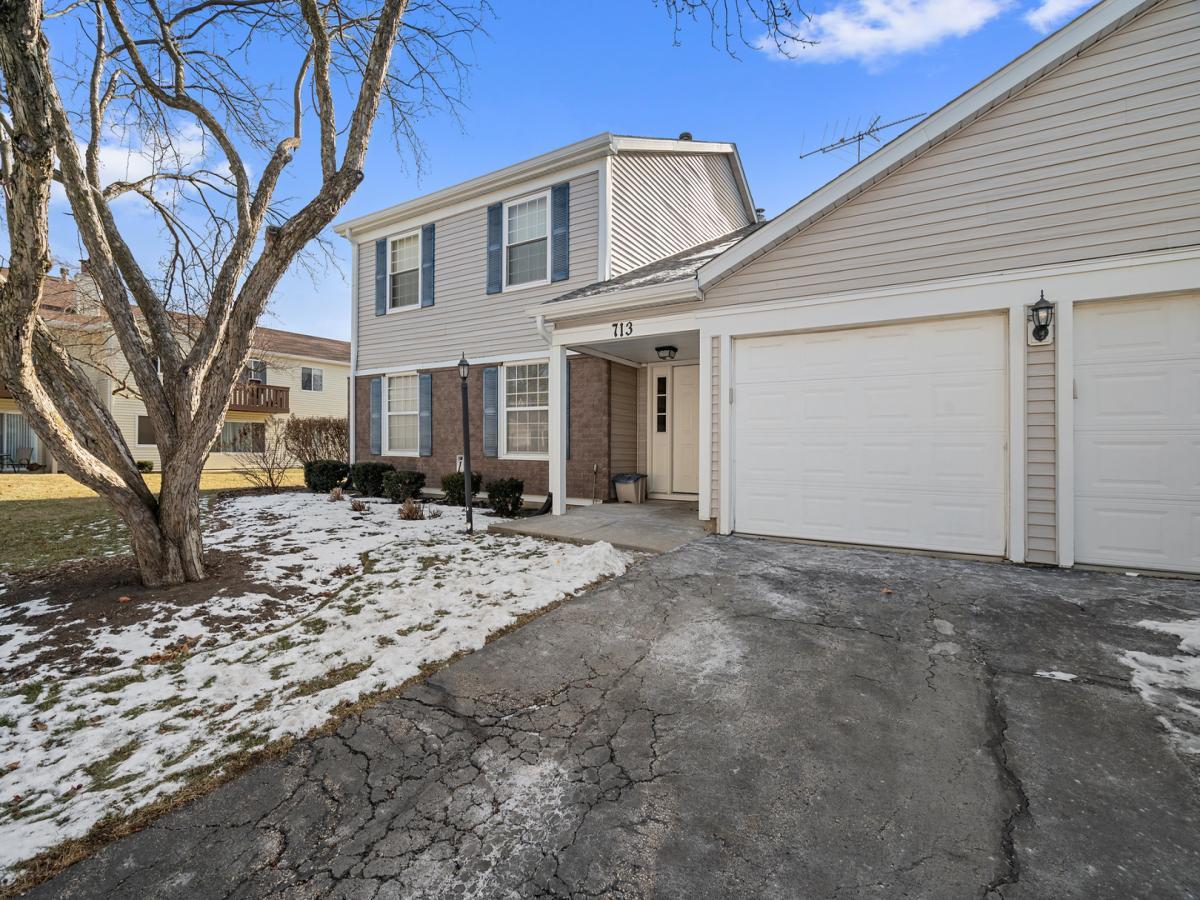
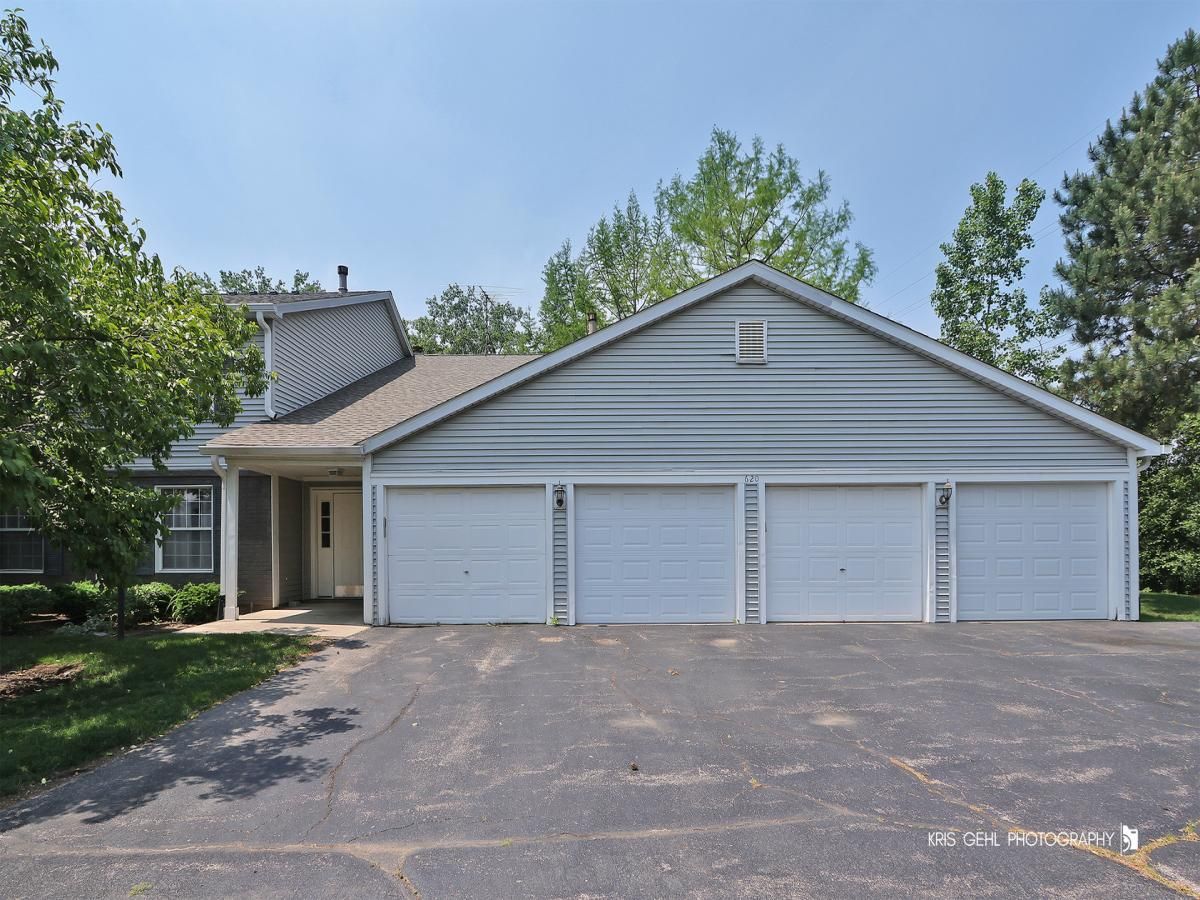
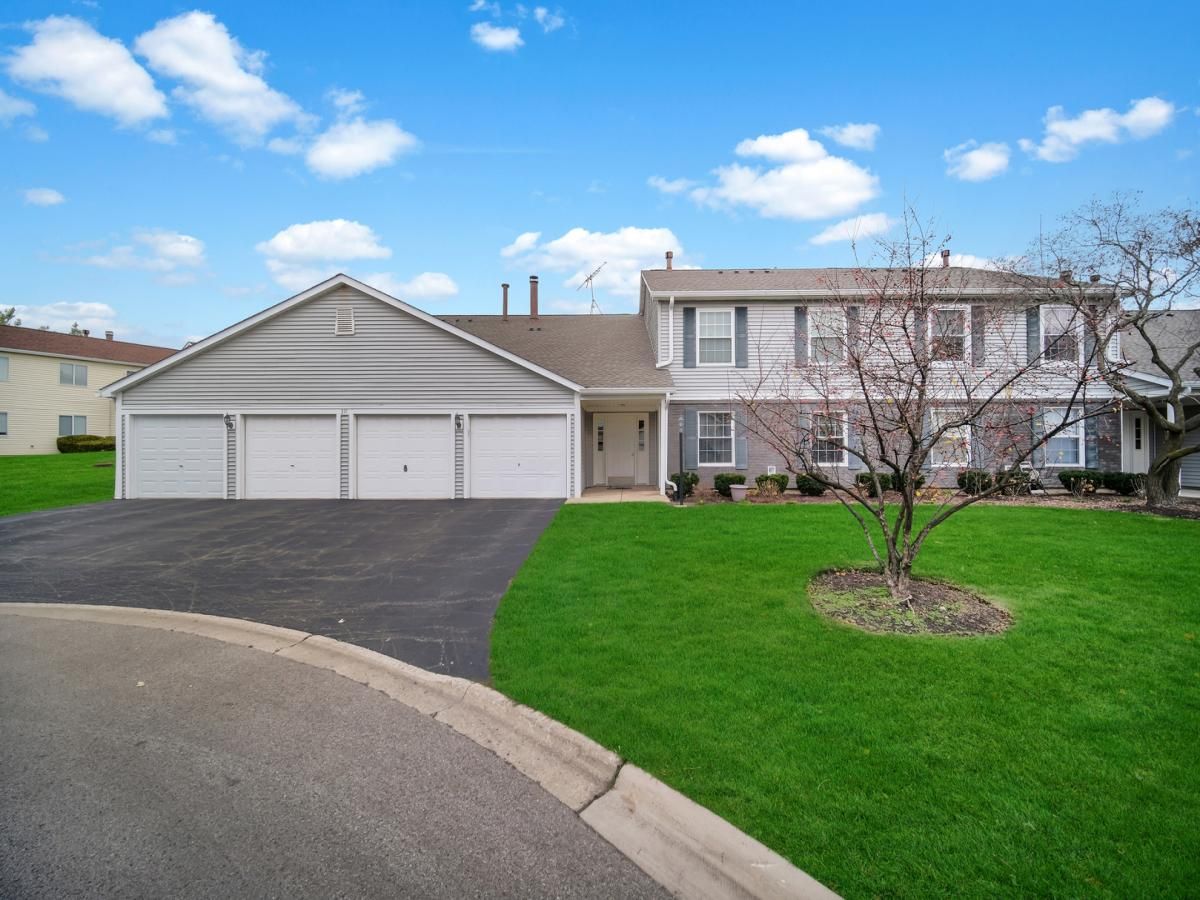
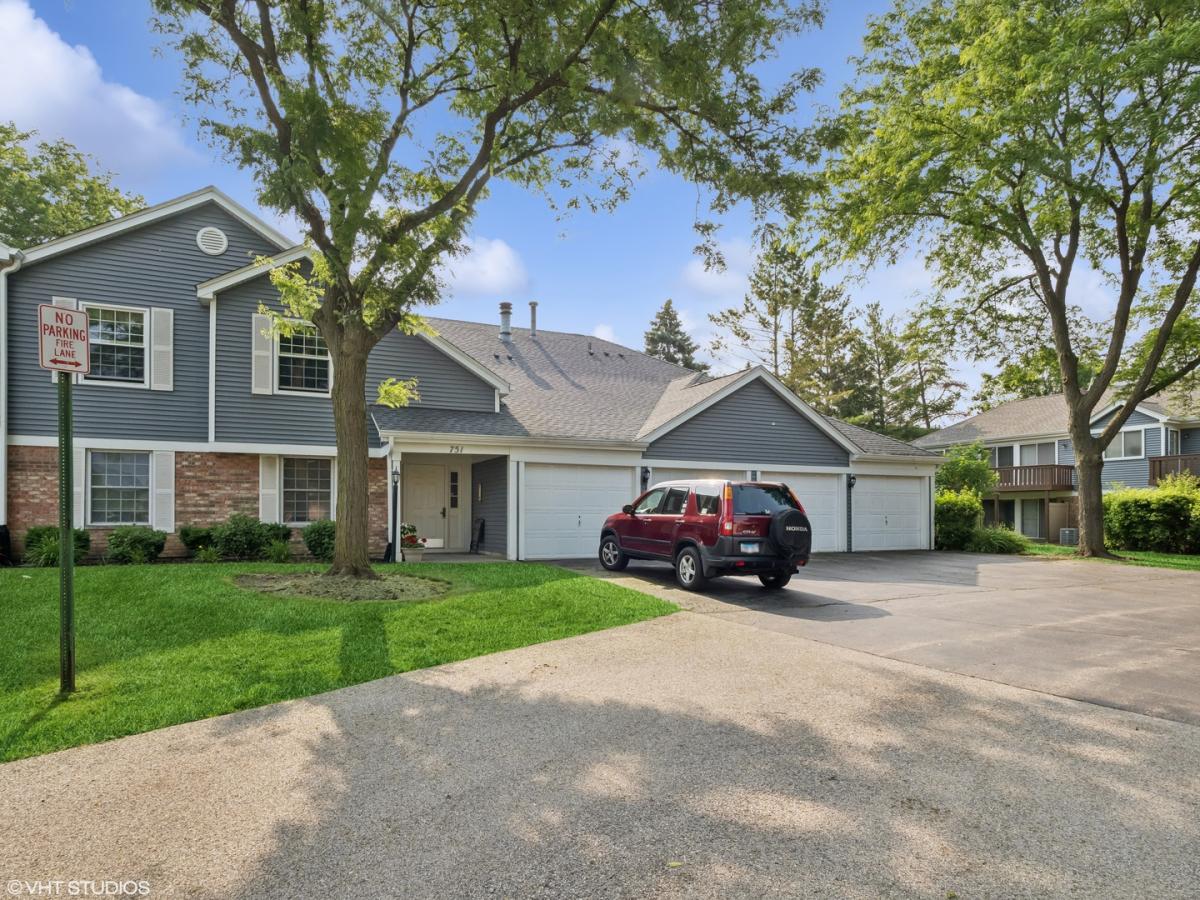
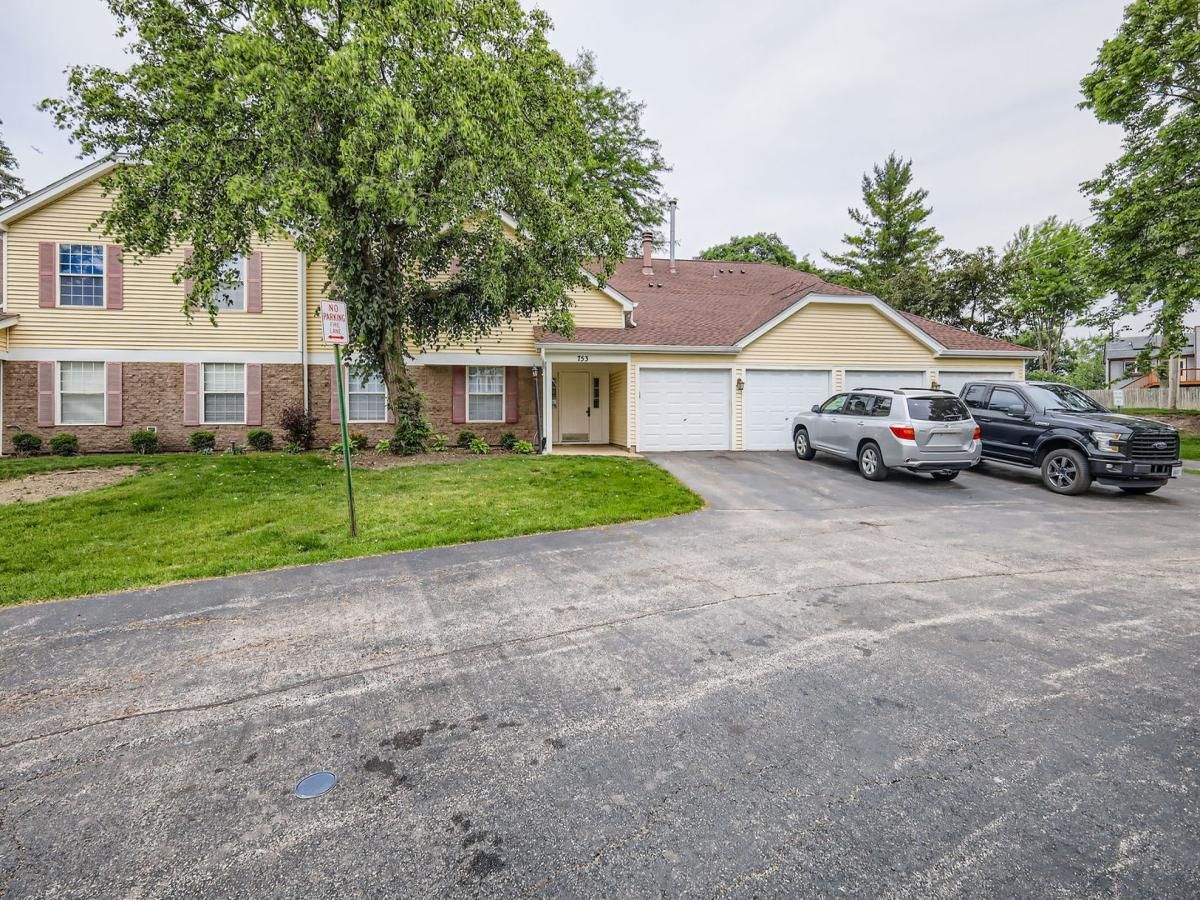
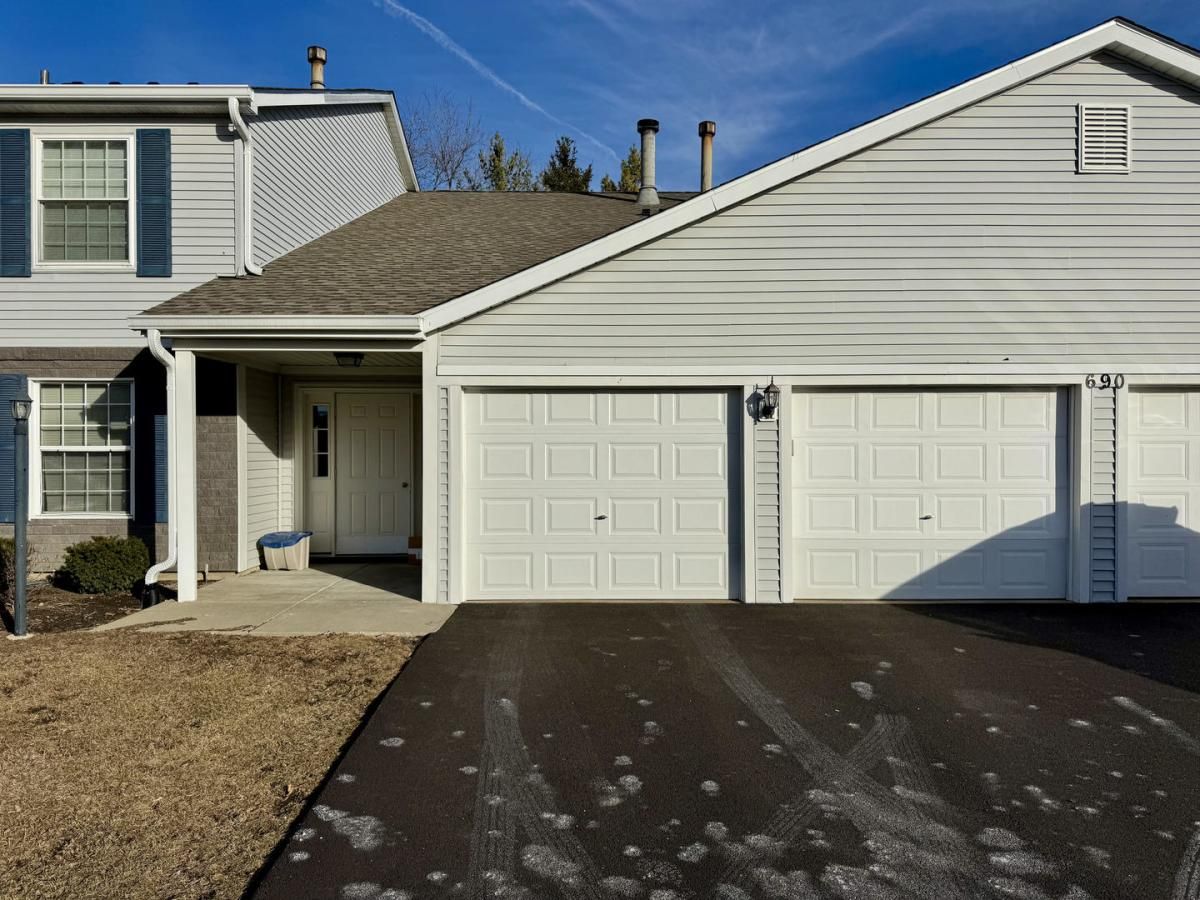
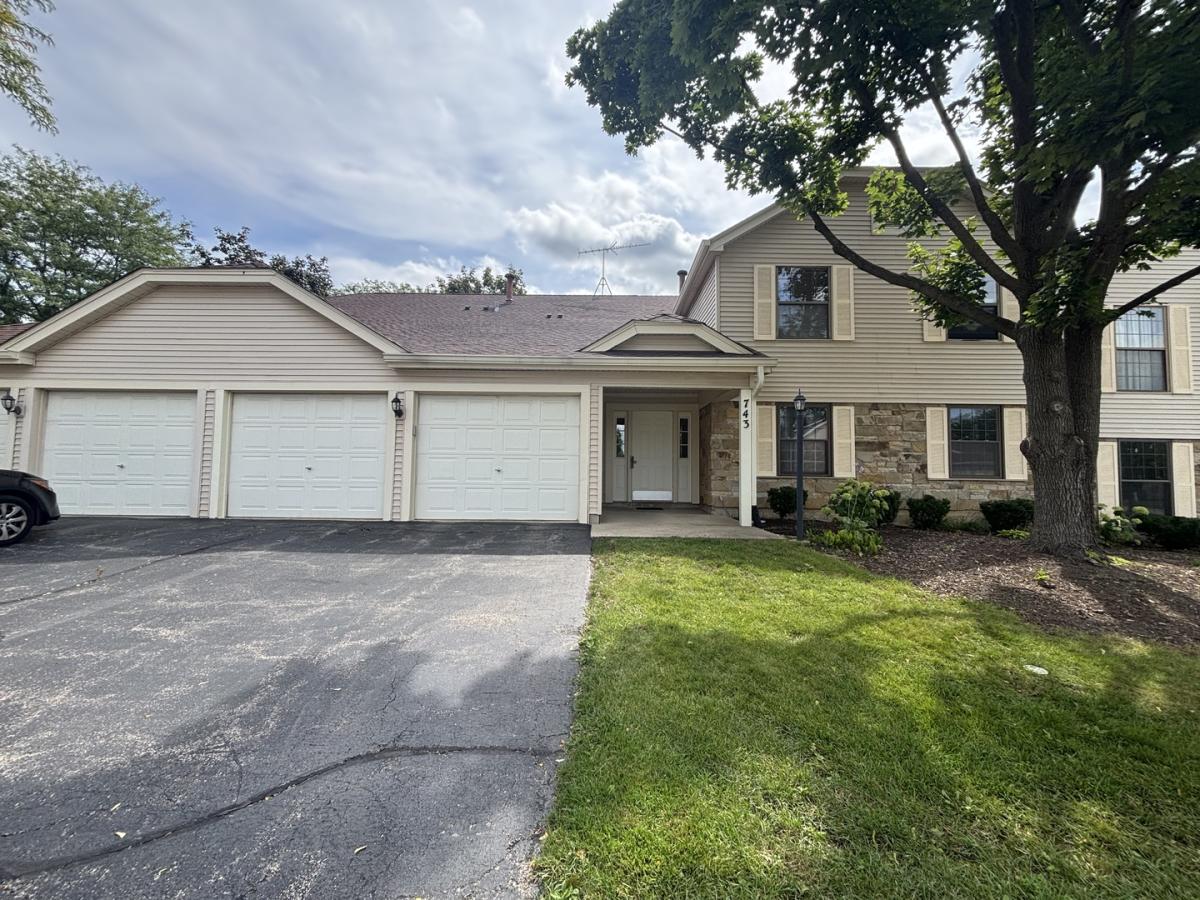
The community features classic two-up, two-down coach home buildings, with every condo offering its own private 1-car garage. This setup gives Hearthwood Farms a comfortable residential feel while still providing the ease and affordability of condo living.
One of the biggest reasons buyers love Hearthwood Farms is the location. The community is within easy walking distance of the Bartlett Metra station and downtown Bartlett, making it a great fit for commuters and anyone who wants quick access to restaurants, shops, local events, parks, and everyday conveniences.
Residents also enjoy community amenities including an outdoor pool and party room, adding extra value for relaxing and entertaining. For first-time buyers, downsizers, investors, or anyone looking for one of the best values in Bartlett, Hearthwood Farms offers a practical path into homeownership without the price point or maintenance demands of a single-family home.
Schools: Typical attendance includes Bartlett Elementary School, Eastview Middle School, and South Elgin High School in School District U-46. Buyers should verify current attendance boundaries directly with the district.
Hearthwood Farms Highlights
- Coach home condominiums (two-up, two-down)
- Private 1-car garage included with each unit
- Outdoor community pool
- Party room for residents
- Walking distance to Bartlett Metra station
- Walkable to downtown Bartlett
- Low-maintenance condo lifestyle
- One of Bartlett’s most affordable ownership options
- Great for first-time buyers, downsizers & investors
- School District U-46
Hearthwood Farms Condominium Association Facts
Details below come from the association’s recorded governing documents and from Midwest Real Estate Data MLS records. Verify current fees, rules and assessments with the association before you write an offer.
- Units in the association
- 328 — the exact count in Exhibit A of the recorded declaration
- Property type
- Coach home condominiums, two units up and two units down
- Unit size
- 850–1,100 sq ft (MLS); builder plans of 838, 910 and 1,041 sq ft
- Bedrooms & baths
- 2 bedrooms, 1 or 2 baths
- Parking
- A private one-car garage with every unit, plus a driveway apron
- Monthly assessment
- $222–$329 per month in recent MLS records, varying by unit size and phase
- Year built
- 1983–1992; plats recorded 1981, 1984, 1988 and 1990
- Streets
- Acorn, Candleridge, Crescent, Greenfield, Mallard, Mulberry, Newport, Sterling, Thorntree and Wilmington
- County
- Cook County (Bartlett spans Cook, DuPage and Kane)
- School district
- School District U-46
- Amenities
- Outdoor community pool, residents’ party room, walking distance to the Bartlett Metra station and downtown Bartlett
- Governing declaration
- Amended and Restated Declaration of Condominium Ownership, recorded October 18, 2005 with the Cook County Recorder of Deeds as Document No. 0529118088 (69 pages), prepared by Jordan I. Shifrin of Kovitz Shifrin Nesbit
- Rules & Regulations
- Adopted July 20, 2015
- Association history
- The Hearthwood Farms Condominium Association was created by merging six separate associations — Hearthwood I (1981), Phase II (1985), Phase III (1988), Phase IV (1990) and Phase VII (1990), together with the 1981 umbrella association — under section 18(b)(13) of the Illinois Condominium Property Act. Owners approved the merger on July 25, 2000 and it was consolidated into the 2005 declaration.
- Resale documents
- Illinois law (765 ILCS 605/22.1) entitles a buyer to the association’s resale disclosure package, including a paid assessment letter, the current budget and any pending special assessment. Request it early — it is ordered through the association’s management company and can take days.
Sources: Amended and Restated Declaration of Condominium Ownership for Hearthwood Farms Condominium Association, Cook County Recorder of Deeds Document No. 0529118088; Hearthwood Farms Rules and Regulations adopted July 20, 2015; Midwest Real Estate Data (MRED) MLS closed and active records. Last reviewed August 20, 2026.
What Hearthwood Farms Condos Sell For
Seven Hearthwood Farms condominiums closed between March and July 2026. Sale prices ranged from $238,500 to $269,900, with a median of $247,500. Monthly assessments on those sales ran from $222 to $329. Every unit that sold was a two-bedroom coach home between 850 and 1,100 square feet with a one-car garage. That makes Hearthwood Farms one of the most affordable ownership options in Bartlett, and one of the few where a garage is standard rather than an upgrade.
Closed-sale figures from MRED MLS, pulled August 20, 2026. Past sales are not a guarantee of future value.
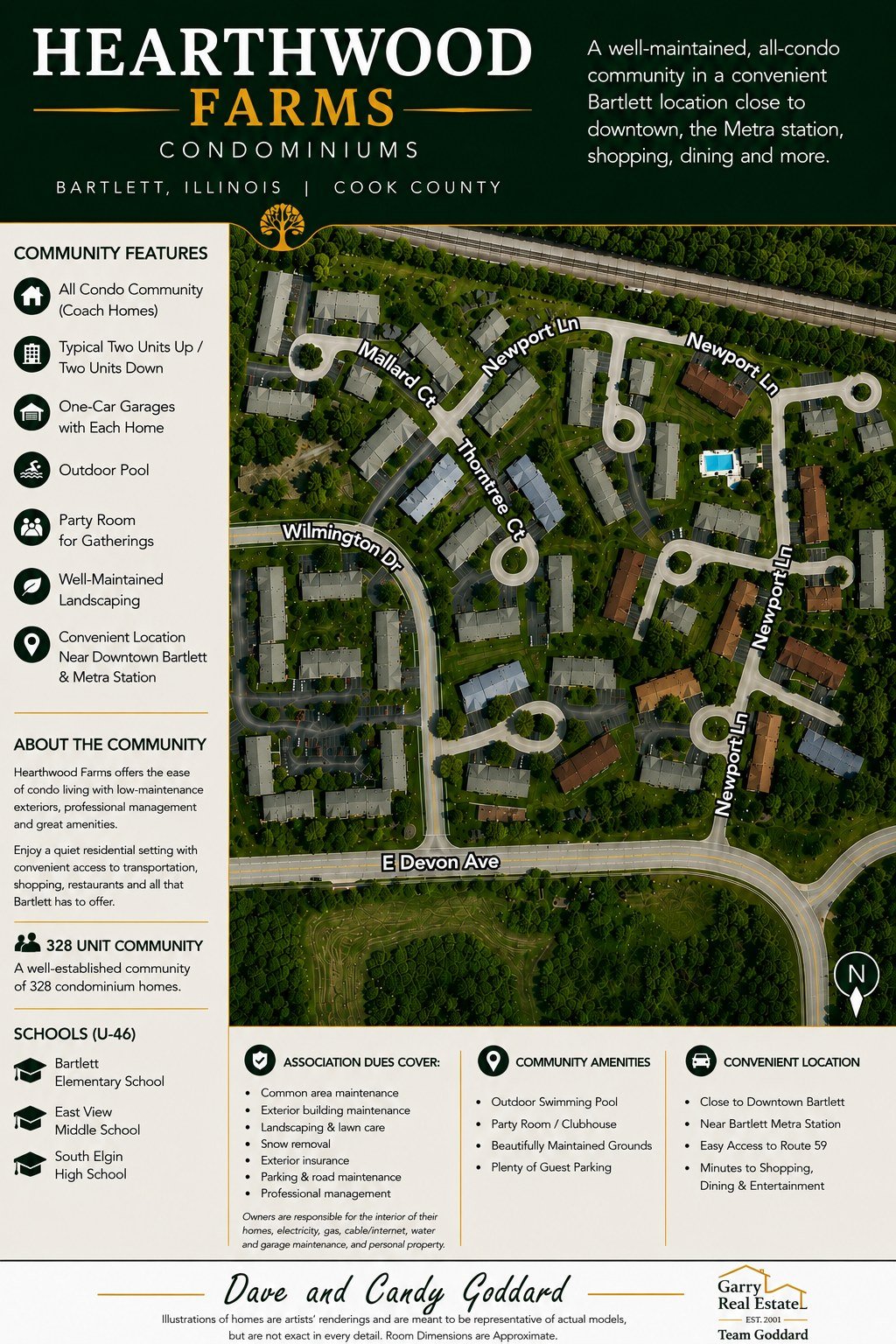
Hearthwood Farms Subdivision Map
The 328 units sit on ten streets: Acorn Court, Candleridge Court, Crescent Court, Greenfield Court, Mallard Court, Mulberry Court, Newport Lane, Sterling Court, Thorntree Court and Wilmington Drive. Click the map to view full size in a new tab.
Hearthwood Farms Condo Floor Plans
Three two-bedroom layouts — 838, 910 and 1,041 square feet — built by U.S. Home. Hearthwood Farms was platted in five phases between 1981 and 1990; MLS records show individual buildings completed from 1983 through 1992. Click any plan to view full size.
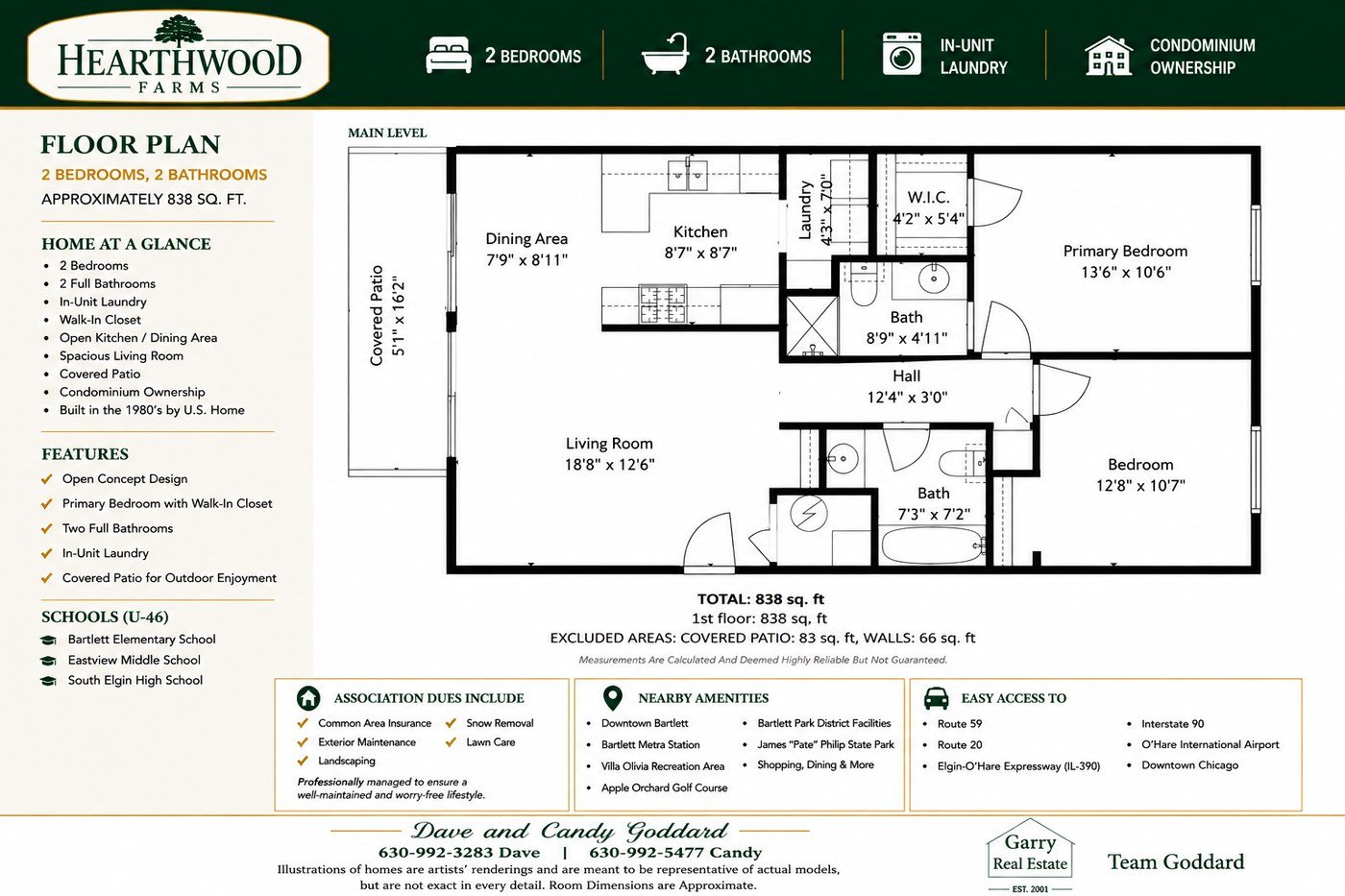
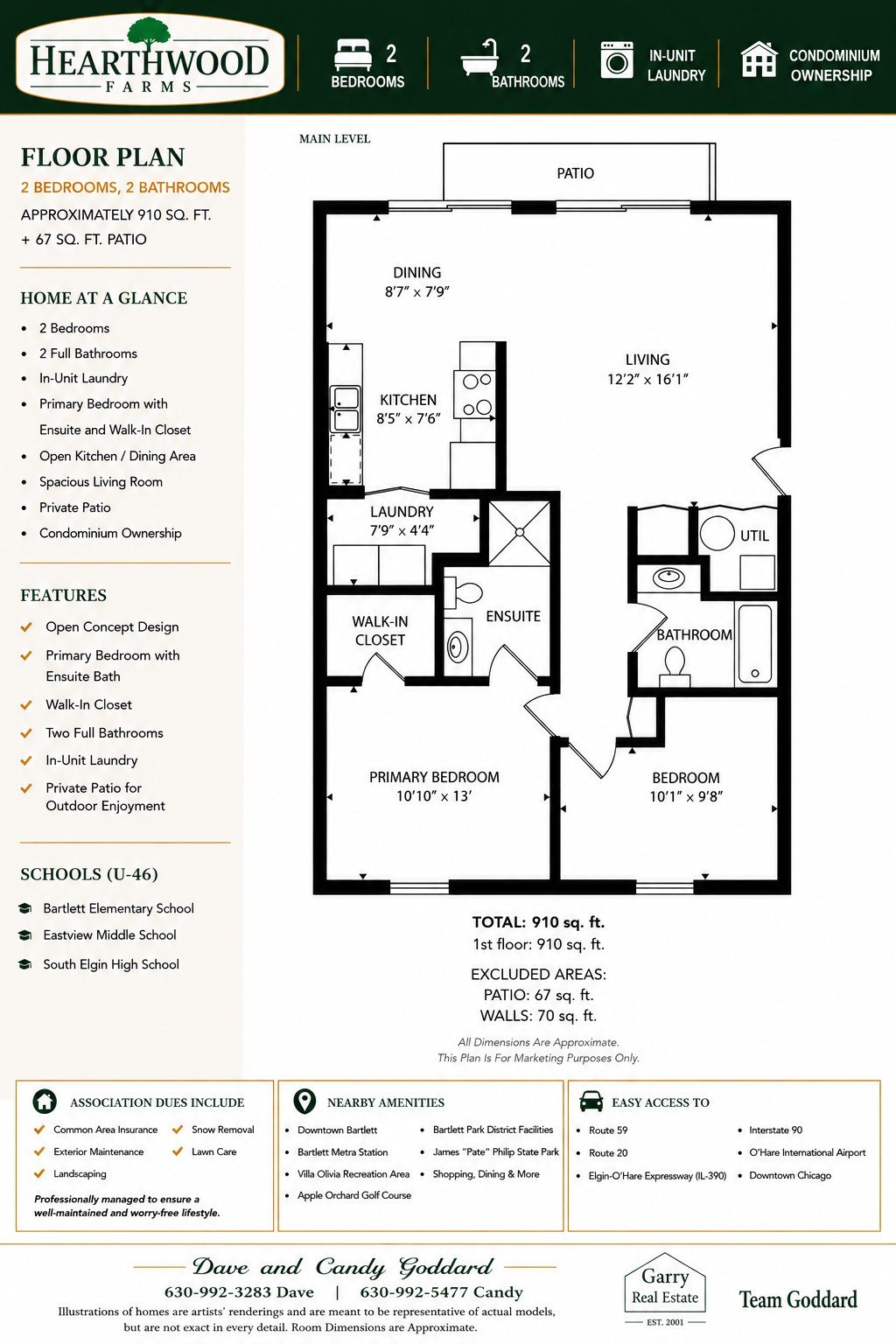
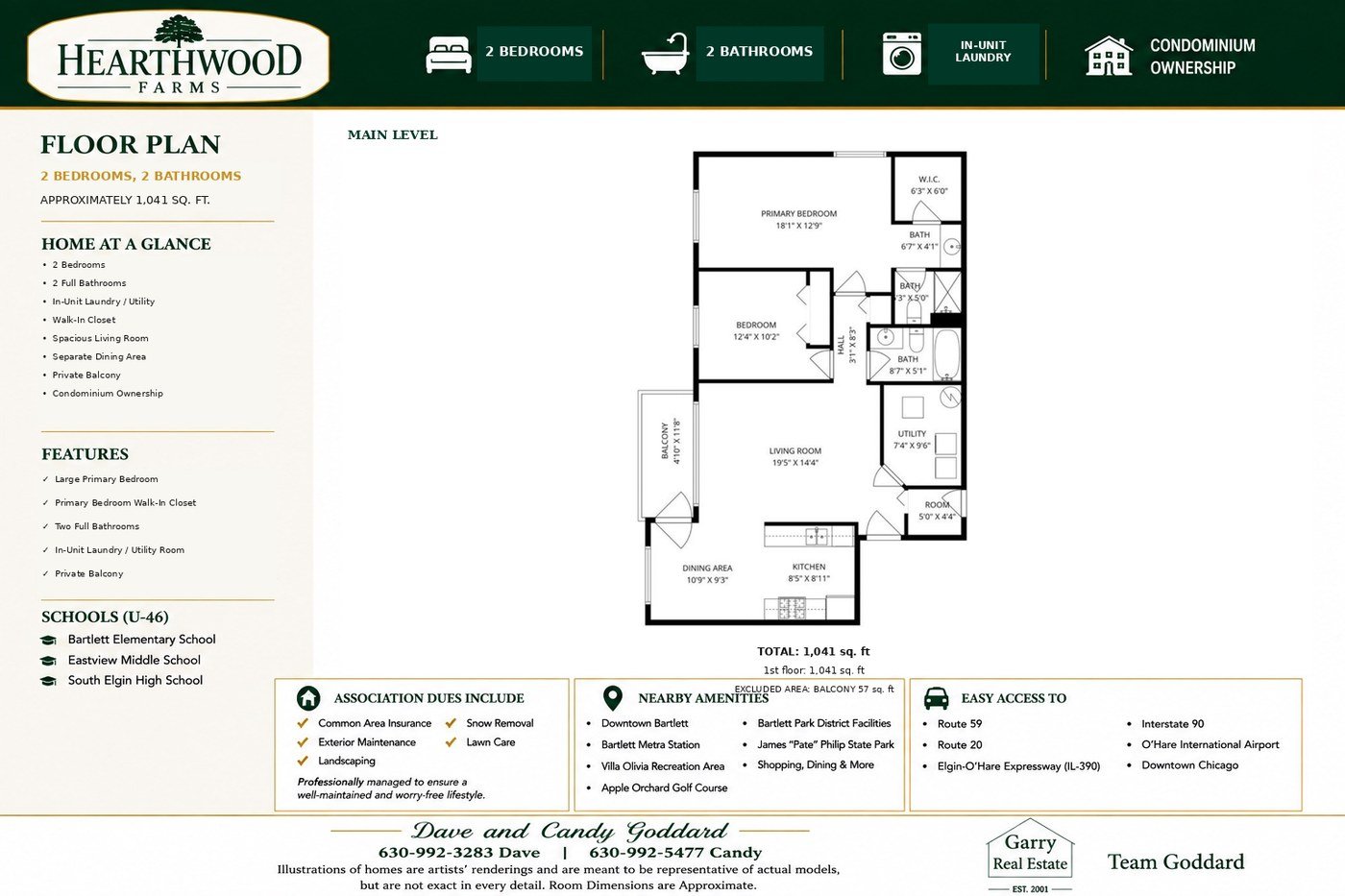
Illustrations are artists’ renderings meant to be representative of actual models and are not exact in every detail. Room dimensions are approximate. Verify all measurements independently.
Hearthwood Farms HOA Rules: Pets, Parking and Leasing
Answers drawn from the association’s Rules and Regulations adopted July 20, 2015 and the declaration recorded October 18, 2005. Both documents are linked below.
Does Hearthwood Farms allow pets?
Yes. The Rules and Regulations adopted July 20, 2015 permit ordinary household pets, but prohibit breeding or maintaining animals for commercial purposes. Pets must be leashed or carried whenever they are on the common elements and may never be left unattended. Owners must clean up after their pet: the association charges $50 for a first violation and $75 for a second, and more than two violations can lead to an order to permanently remove the pet from the property on three days’ notice.
What are the parking rules at Hearthwood Farms?
Every unit includes a private one-car garage plus a driveway apron. Every resident vehicle on the property — including one parked in the garage or on the apron — must display a Hearthwood Farms sticker on the lower passenger side of the windshield, and vehicles without a valid sticker may be towed without warning. Residents with two or more vehicles must keep one in the garage and one on the apron. Sticker limits run from two per unit for a single adult resident up to four for three or more adults. Residents may not park in marked visitor spaces. Overnight guests staying two or more consecutive nights need a visitor hangtag, and management must be notified if a guest will park on the property more than seven days. Commercial vehicles, campers, recreational vehicles and any vehicle without current plates and a village sticker are not permitted to park outdoors overnight. When two or more inches of snow falls, vehicles should be moved so the lots can be plowed.
Can you rent out a condo at Hearthwood Farms?
Leasing is allowed, but it is tightly regulated. A signed copy of the lease and the association’s riders must reach the association within ten days of signing or before the tenant takes possession, whichever comes first. The lease must name every adult and minor who will occupy the unit, and the owner must give the tenant copies of the Declaration, By-Laws and Rules. A criminal background check is required for every occupant age 16 and older and must be submitted at least ten days before occupancy; without it the lease is not valid under the rules. The association prohibits leasing to anyone convicted of a violent crime, a drug-related felony within the past ten years or a drug-related misdemeanor within the past five years, or to any registered sex offender. The minimum fine for a leasing violation is $100.
How much are the HOA fees at Hearthwood Farms?
Recent MLS records show monthly assessments between $222 and $329, depending on the size of the unit and the phase it sits in. The assessment covers the outdoor pool, the party room, common-area maintenance, snow removal and exterior upkeep. Fees change from year to year, so verify the current assessment and ask about any pending special assessment before you write an offer.
Who do I contact for Hearthwood Farms HOA documents and assessments?
Hearthwood Farms is professionally managed, and the management company is who produces the resale disclosure package required under 765 ILCS 605/22.1 — the paid assessment letter, the current budget and notice of any pending special assessment. Associations change management firms from time to time, so rather than publish a name that may be out of date, call Dave or Candy Goddard at 630-310-8315. We will get you the current management contact, the current monthly assessment and the full document package. The recorded declaration and the 2015 Rules and Regulations are free to download at the bottom of this page.
How many units are in Hearthwood Farms?
There are 328 condominium units. That figure is not an estimate: Exhibit A of the Amended and Restated Declaration recorded October 18, 2005 lists all 328 units by address, unit number and percentage of ownership, and those percentages total 100 percent.
When was Hearthwood Farms built?
Hearthwood Farms was developed in five platted phases in Bartlett, with plats recorded in December 1981, July 1984, July 1988, January 1990 and October 1990. MLS records show individual buildings with year-built dates from 1983 through 1992. The six original associations were merged into a single Hearthwood Farms Condominium Association after an owner vote on July 25, 2000, and consolidated in the declaration recorded October 18, 2005.
Hearthwood Farms HOA Documents
Official governing documents for the Hearthwood Farms Condominium Association. Download below for review prior to purchase.
Disclaimer: These documents are provided for informational purposes only and may not reflect the most current version. HOA fees, rules, and governing documents can change. Always verify current documents, fees, and special assessments directly with the association or your attorney before purchase.
Recently Sold in Hearthwood Farms
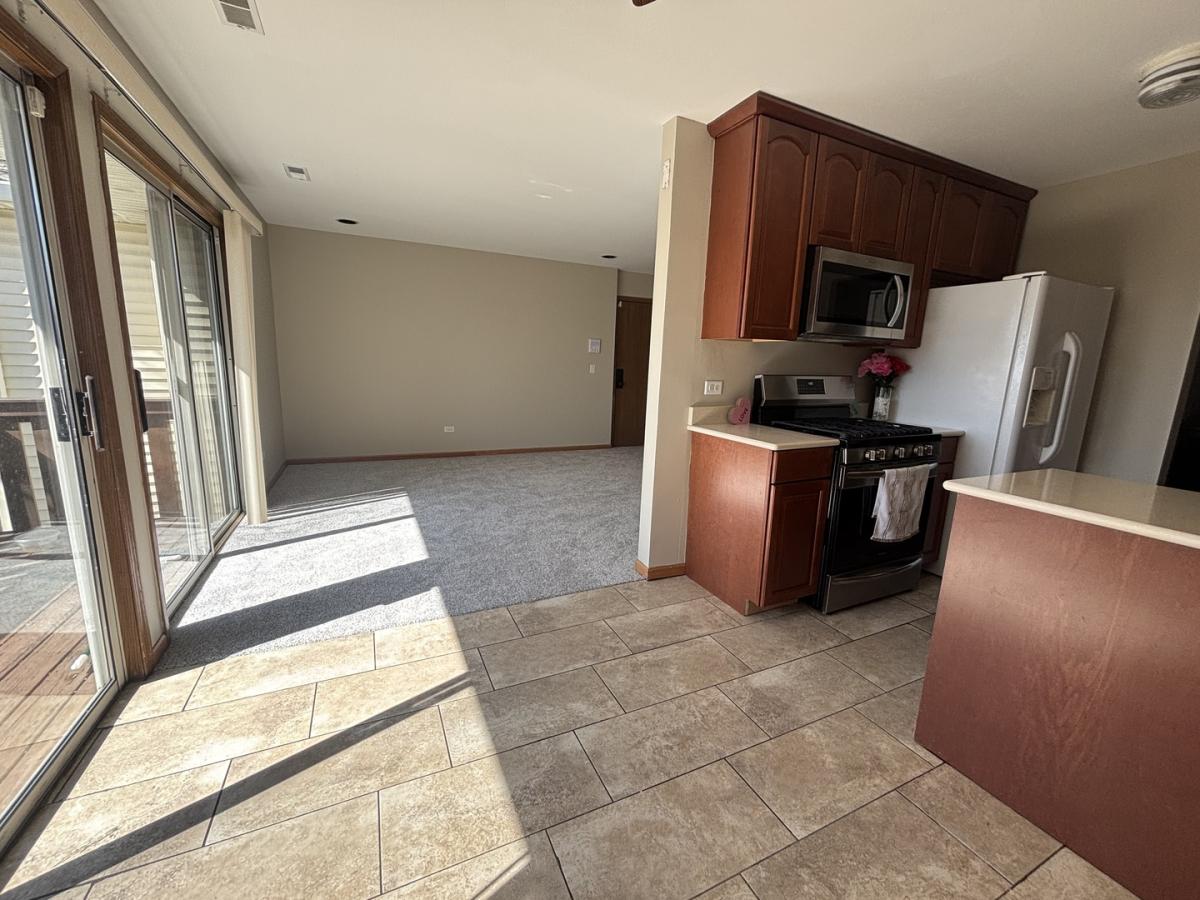
Closed sales from the past 2 years in Hearthwood Farms.

Search Hearthwood Farms Listings
Browse active homes for sale in Hearthwood Farms — updated daily from the MLS.
More Bartlett Real Estate Resources
📞 (630) 310-8315 · Dave: (630) 992-3283 · Candy: (630) 992-5477

