
Older Homes in Chicago’s NW Suburbs: What to Check
Buying an older home in the northwest suburbs usually means buying a 1960s or 1970s house, not a Victorian, and that changes what you should inspect. Here is what tends to hide inside the housing stock in Elgin, Schaumburg, Streamwood, Hanover Park, Bartlett and nearby towns, and which Illinois disclosure rules actually protect you.
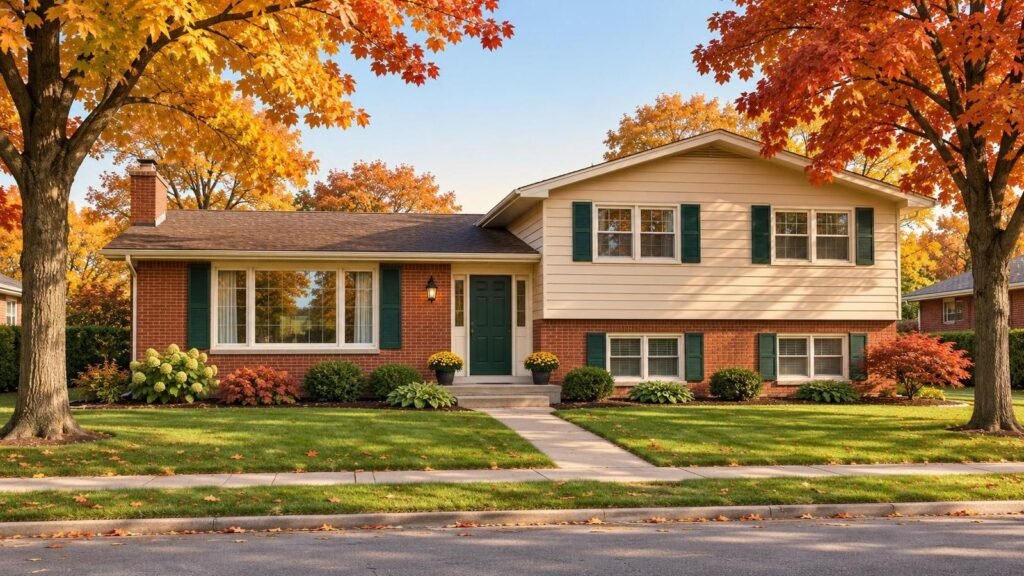
When people say “historic home” around Chicago, they picture a Prairie School place in Oak Park or a greystone in Logan Square. Out here, “older” mostly means a split-level that went up when the Jane Addams Tollway was new. That’s not a knock. Those houses are often solid, sit on decent lots, and cost less than newer builds. But each era of construction has its own set of known problems. A good buyer knows which ones to look for before falling for the hardwood under the carpet.
A Rough Map of What Got Built When
Every town has exceptions, but the general pattern looks like this:
- Elgin has the genuinely old stuff: 19th- and early 20th-century homes near downtown and in neighborhoods like Gifford Park and the Elgin Historic District. Some of these are in locally designated districts, and that matters (more on it below).
- Schaumburg, Hanover Park and Streamwood grew up fast in the 1960s and ’70s. Lots of ranches, raised ranches and split-levels.
- Bartlett, Carol Stream and Bloomingdale have some older pockets, including Bartlett’s original village center near the Metra station. Most of their housing, though, came in the 1970s through the early 2000s.
So even the “newer” subdivisions are now 25 to 40 years old. Original roofs, furnaces, windows and water heaters in a 1990s Bartlett two-story are at or past the end of their normal lifespan. Older doesn’t only mean 1955.
The Era-Specific Red Flags
Aluminum branch wiring (roughly 1965–1973)
During a copper price spike, some builders used aluminum for household circuits. It isn’t automatically dangerous, but connections can loosen and overheat over time. The common fix is having an electrician add rated connectors such as COPALUM or AlumiConn at each device. Some insurers will ask about it, so find out before closing, not after.
Problem electrical panels
Federal Pacific Electric “Stab-Lok” panels and Zinsco panels were installed in a lot of homes from this era and have a reputation for breakers that fail to trip. Many inspectors flag them right away, and some carriers won’t write a policy until the panel is replaced. Plan on roughly a couple thousand dollars for a swap. Get a real electrician’s quote during attorney review.
Plumbing: galvanized, polybutylene and clay
Galvanized steel supply lines rust from the inside out, and low water pressure upstairs is the classic sign. Gray polybutylene supply pipe, used from the late 1970s into the mid-1990s, has a history of failing at fittings. And the one most buyers miss: the sewer lateral, the pipe from your house to the village main. In older neighborhoods it’s often clay tile, which tree roots love. A sewer scope costs a few hundred dollars and can save you from a five-figure excavation. In a mature neighborhood full of silver maples, it’s the best money you’ll spend.
Asbestos and lead
Nine-inch-square floor tiles, popcorn ceilings, pipe wrap and vermiculite attic insulation can all contain asbestos in homes from this period. Left alone and intact, they’re usually manageable. Don’t sand or demolish them before testing. For any home built before 1978, federal law requires the seller to give you a lead-based paint disclosure and a pamphlet, and to offer a 10-day window for a lead inspection. You can waive that window, but think twice if you have small kids or plan to renovate.
What Illinois Requires Sellers to Tell You
Illinois sellers of one-to-four-unit homes generally must complete the disclosure form under the Residential Real Property Disclosure Act (765 ILCS 77). It covers known material defects: basement flooding, roof leaks, electrical and plumbing problems, and more. The key word is known. The form isn’t a warranty, and a seller who honestly never looked under the carpet has nothing to disclose. That’s why the inspection carries so much weight.
The Illinois Radon Awareness Act also requires radon disclosures and a state pamphlet. Radon is a real issue across northern Illinois regardless of a home’s age, but older basements with cracked slabs and no mitigation system are common candidates. A test is cheap. A mitigation system usually runs low four figures.
The Historic District Wrinkle
If you’re buying in a locally designated historic district, and Elgin is the main local example, exterior changes like windows, siding, porches and additions may need design review from the city’s historic preservation commission before you pull a permit. Ask about it before you write an offer if you plan to replace those drafty original windows with vinyl.
There’s a perk, too. Illinois has a Historic Residence Assessment Freeze program, run through the State Historic Preservation Office. For a qualifying owner-occupied historic home that undergoes a substantial approved rehab (generally spending at least 25% of the home’s assessed market value), the assessed value can be frozen at the pre-rehab level for a period of years. The rules and eligibility are specific, so check with the state office before counting on it. But if you’re planning a serious restoration, ask about it.
How to Buy an Older Home Without Regret
- Hire an inspector who knows the era, and add a sewer scope and radon test to the order.
- Use your attorney review period. In the Chicago area this is standard. It’s your window to negotiate credits for a panel, a lateral or an end-of-life roof.
- Call your insurance agent early with the panel brand, wiring type and roof age. Coverage surprises kill deals at the worst possible time.
- Price the big-ticket items honestly. A 1972 Streamwood ranch at a fair price with a known roof bill can be a better deal than a polished flip that hid its problems behind fresh gray paint.
Older homes are where a lot of the value in our suburbs still lives, especially for first-time buyers who’ve been priced out of anything built after 2000. Go in knowing what each decade tends to hide, and those houses stop being scary.
If you’re eyeing an older place in Bartlett, Elgin or anywhere nearby and want a second set of eyes on what you’re getting into, Team Goddard is happy to talk it through. No pressure, just straight answers.
Straight outta the brain of Bob, Garry Real Estate’s in-house lead AI. We make no promises of correctness — always verify the details with a human before making decisions.

