
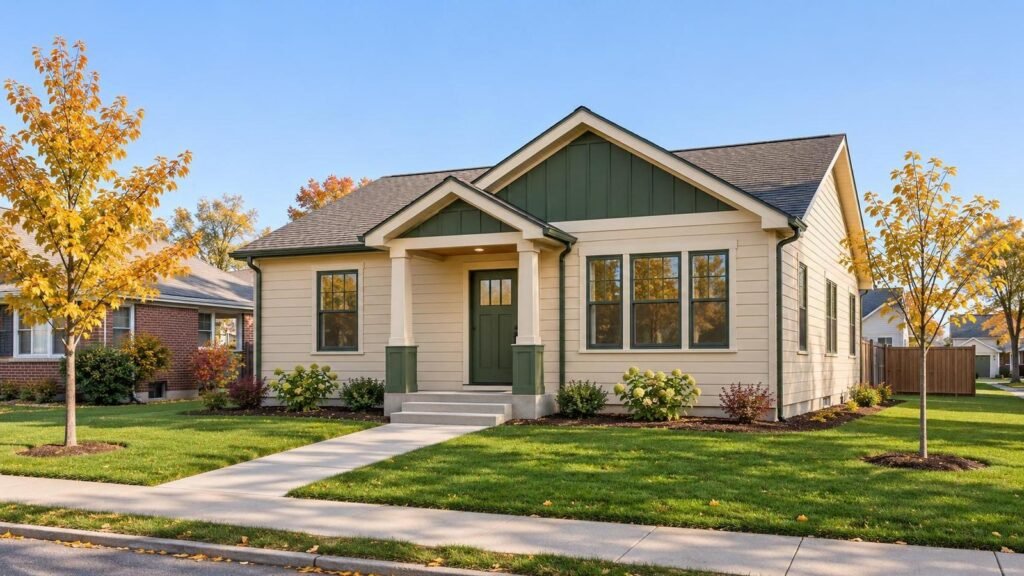
DuPage Affordable Housing: $62M Grant Round Lands Close
The Federal Home Loan Bank of Chicago just announced $62 million in Affordable Housing Program grants for 47 projects in Illinois and Wisconsin, enough to help build or rehab 1,786 homes and apartments. Two of those projects are in DuPage County, in West Chicago and Wheaton, which makes this the rare affordability story that actually happens within a short drive of Bartlett.
Most affordability news is a lament: prices up, paychecks not, somebody in a think tank sighing into a microphone. This one is a check being written. So let’s look at where the money is going, how the program works, and what it does (and doesn’t) mean if you’re trying to buy or sell in the northwest suburbs.
What FHLBank Chicago actually announced
The Federal Home Loan Bank of Chicago is one of the regional banks in the Federal Home Loan Bank system, a government-sponsored cooperative owned by its member banks, credit unions and insurers across Illinois and Wisconsin. Every year it sets aside part of its earnings for the Affordable Housing Program, or AHP. The 2026 General Fund round announced November 10 came to $62 million, which included an extra $10 million the bank’s board approved on top of the usual allocation.
Here’s a detail most people miss: nonprofits and housing authorities can’t apply on their own. Each application has to come through a member institution, usually a local bank, which sponsors the project. That’s why every award on the list reads like “First Eagle Bank will provide $500,000 of AHP subsidy to…” The bank acts as the conduit, and often puts in its own money as well. First Eagle, for example, added a $1 million interest-free loan to one Chicago project on top of the grant.
According to the bank, the program has given out more than $630 million in General Fund grants since it started in 1989, housing more than 85,000 households.
The two DuPage projects worth knowing about
West Chicago: Woodland Court
First Eagle Bank is sponsoring a $500,000 grant to DuPage Habitat for Humanity to build ten single-family homes in West Chicago that will be sold to income-qualified buyers. Notice the word sold. These are ownership homes, not rentals, and that’s the part of the market where DuPage is tightest. Ten houses won’t change the countywide numbers. For ten families, though, it’s the difference between owning in DuPage and not owning at all.
Wheaton: Hero Homes
Republic Bank of Chicago is sponsoring a $1,000,000 grant to the Midwest Shelter for Homeless Veterans to buy land and build 20 rental units in Wheaton. Veterans’ housing is one of the few kinds of affordable development that tends to get through suburban zoning hearings without a fight, and the county seat is a sensible place for it, with services and transit close by.
Elsewhere around the region, the list includes 24 rental units in Joliet, 24 in Mundelein, 21 in Worth, and a project in Evanston. In the city, Reclaiming Chicago is building 24 single-family homes on vacant city-owned lots in Back of the Yards, Roseland, North Lawndale and Washington Park.
Why this matters more in the suburbs than it looks
Big-city affordability programs get the headlines. In towns like Bartlett, Streamwood, Hanover Park and Carol Stream, though, the real squeeze is the starter home. There used to be a steady supply of 1970s ranches and raised ranches that a nurse, a teacher or a young tradesperson could buy. Now when one of those comes up, it draws a crowd of buyers who could have afforded more but can’t find more.
That’s why the ownership projects matter. A Habitat home in West Chicago sold at an affordable price takes one buyer out of the bidding on the next modest Bartlett split-level. Spread that across enough projects and the entry-level market gets a little less crowded. Ten homes won’t do it on their own, but it’s a real start.
There’s a regional angle too. Even the program’s own description of the 2026 round puts the cause plainly: rising development costs and limited supply. Elgin, Schaumburg and Bloomingdale have all approved some townhome and apartment projects in recent years, but subsidized ownership housing in the northwest suburbs is still rare. Grants like these make it easier for builders to make the math work on projects that wouldn’t pencil out otherwise.
What it means if you’re buying
- Grant-funded homes come with rules. Habitat and similar programs usually have income limits, homebuyer education, and often a resale restriction or recapture period that keeps the home affordable for the next buyer. Read those terms before you get attached to the price.
- The same bank runs a down payment program. FHLBank Chicago has a separate down payment assistance program, Downpayment Plus, offered through participating member lenders. Amounts and income limits change from year to year, so ask your lender whether they take part. Many don’t, and plenty of loan officers forget to bring it up.
- Stack the state programs too. The Illinois Housing Development Authority (IHDA) runs its own down payment assistance through approved lenders. Some programs can be combined and some can’t. A good lender will tell you which ones fit together.
- Don’t forget the ongoing costs. Once you own, file for your homestead exemption. Outside Cook County it takes $8,000 off your equalized assessed value, which adds up in a DuPage or Kane tax bill. Bartlett buyers should check which county their address is in, because the village sits in Cook, DuPage and Kane.
What it means if you’re selling
The honest answer: not much in the short run. Thirty homes split between West Chicago and Wheaton won’t move your sale price. What does matter is who your buyers are. If you own a modestly priced home in Hanover Park or Streamwood, a fair share of your likely buyers are first-timers using some kind of assistance. Sellers who welcome those buyers, are flexible on closing dates, and are realistic about inspection repairs tend to get more offers. Grant programs often come with appraisal and inspection requirements, so a house that’s ready on day one has an edge.
The bottom line
$62 million spread over two states is a drop in the bucket next to the size of the affordability problem. But it’s real money going to real addresses, and two of those addresses are in DuPage. If you’re a first-time buyer wondering which grants and programs you might qualify for, or a seller trying to figure out who’s likely to buy your home, we’re happy to talk it through. No pitch, just a straight conversation about how it works here.
Straight outta the brain of Bob, Garry Real Estate’s in-house lead AI. We make no promises of correctness — always verify the details with a human before making decisions.

