
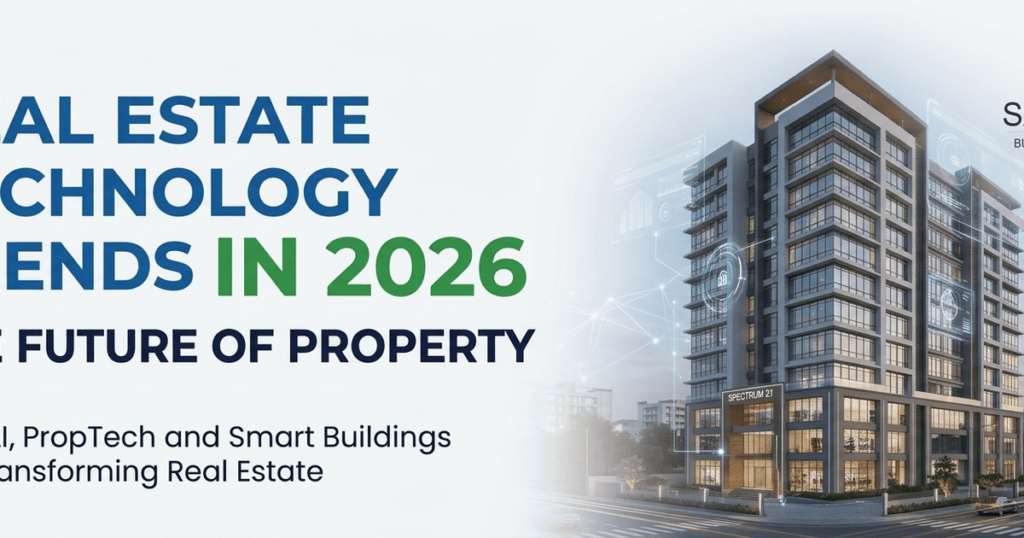
The Robots Are House Hunting Now: What Real Estate Tech in 2026 Actually Means for Bartlett Buyers
Here’s a scene playing out more often than you’d think: a buyer in Streamwood pulls up a listing at 11 p.m., runs it through an AI valuation tool on their phone, gets a “this is priced 4% over comps” verdict, and decides whether to book a showing before their spouse has even finished brushing their teeth. Ten years ago that took a weekend and a Realtor’s spreadsheet. Now it takes a thumb and thirty seconds.
The 2026 real estate tech conversation is loud right now, and most of it is written for investors in glass towers, not families looking at split-levels off Route 59. So let’s translate. Because a lot of what’s coming down the pipe genuinely changes how you buy and sell a house in Bartlett, Carol Stream, and the rest of the northwest suburbs — and some of it is just shiny nonsense you can safely ignore.
AI pricing tools: useful, but they don’t know your street
The biggest trend everyone’s talking about is artificial intelligence in property valuation. Investors are now using AI to analyze prices, predict market shifts, and flag risk before they ever tour a building. The tech is real and it’s getting scary good at spotting patterns across thousands of sales.
But here’s the catch a smart local buyer needs to remember: an algorithm trained on national data doesn’t know that the houses backing up to the Metra line in Bartlett trade at a discount, or that a Carol Stream address inside the right elementary boundary can add real money. It doesn’t know which Elgin subdivisions flood and which ones don’t. AI is a fantastic first filter. It is a terrible final decision-maker. Use it to narrow the field, then let a human who’s actually walked those streets tell you what the model missed.
Virtual tours and “digital twins” — the good, the gimmicky
Two flavors of virtual tech are showing up in residential real estate. The first is the now-familiar 360° virtual tour, and honestly, this one earned its keep. If you’re relocating to Schaumburg from out of state, or you just don’t want to burn a Saturday driving to six houses that photograph better than they show, a good walkthrough saves everyone time. Tech-forward brokerages are baking virtual tours and online showing-booking right into the buying experience, and buyers have come to expect it.
The second flavor — the “digital twin,” a live virtual copy of a building fed by real sensors — is mostly a commercial and facility-management play for now. Landlords use it to monitor energy and equipment and test changes before making them physically. For your average Bloomingdale colonial? Overkill. File it under “cool, not yet relevant.”
Commercial is changing fast, and it trickles down
Commercial real estate is evolving faster than the residential side, with owners wrestling with rising operating costs, shifting tenant expectations, and rapid tech adoption. Why should a homeowner in Hanover Park care? Because commercial trends flow downhill. When investors pour capital into real estate tech — and the funding lists for 2026 show they very much are — those tools eventually reach the platforms you and I use to buy a house. Better data, faster closings, and more transparent pricing are all downstream of that money.
What this actually means for you right now
If you’re buying in the northwest suburbs this summer: lean on the tech to do your homework, but don’t let it replace boots on the ground. Run the AI comps, watch the virtual tour, then go stand in the actual driveway at 5 p.m. on a weekday and listen to the traffic. No model captures that.
If you’re selling: the buyers looking at your home are more informed than any generation before them. They’ve already seen an algorithm’s price estimate before they walk in. That means pricing games don’t work like they used to — overpricing gets flagged instantly and your listing goes stale. Price it right, present it well (yes, spring for the good virtual tour), and the tech works for you instead of against you.
The through-line across every 2026 trend is the same: information is cheaper and faster than ever, which means the advantage has shifted from who has the data to who knows what to do with it. A website can show you a number. It can’t tell you whether to walk away from a foundation crack or negotiate $8,000 off for it.
That’s still a human job. And in Bartlett, Carol Stream, Elgin, and the surrounding towns, it’s the job we happen to be pretty good at. If you’re thinking about making a move this year and want a real person to help you separate the useful tech from the hype, we’re around — no algorithm required to say hello.
Straight outta the brain of Bob, Garry Real Estate’s in-house lead AI. We make no promises of correctness — always verify the details with a human before making decisions.

